
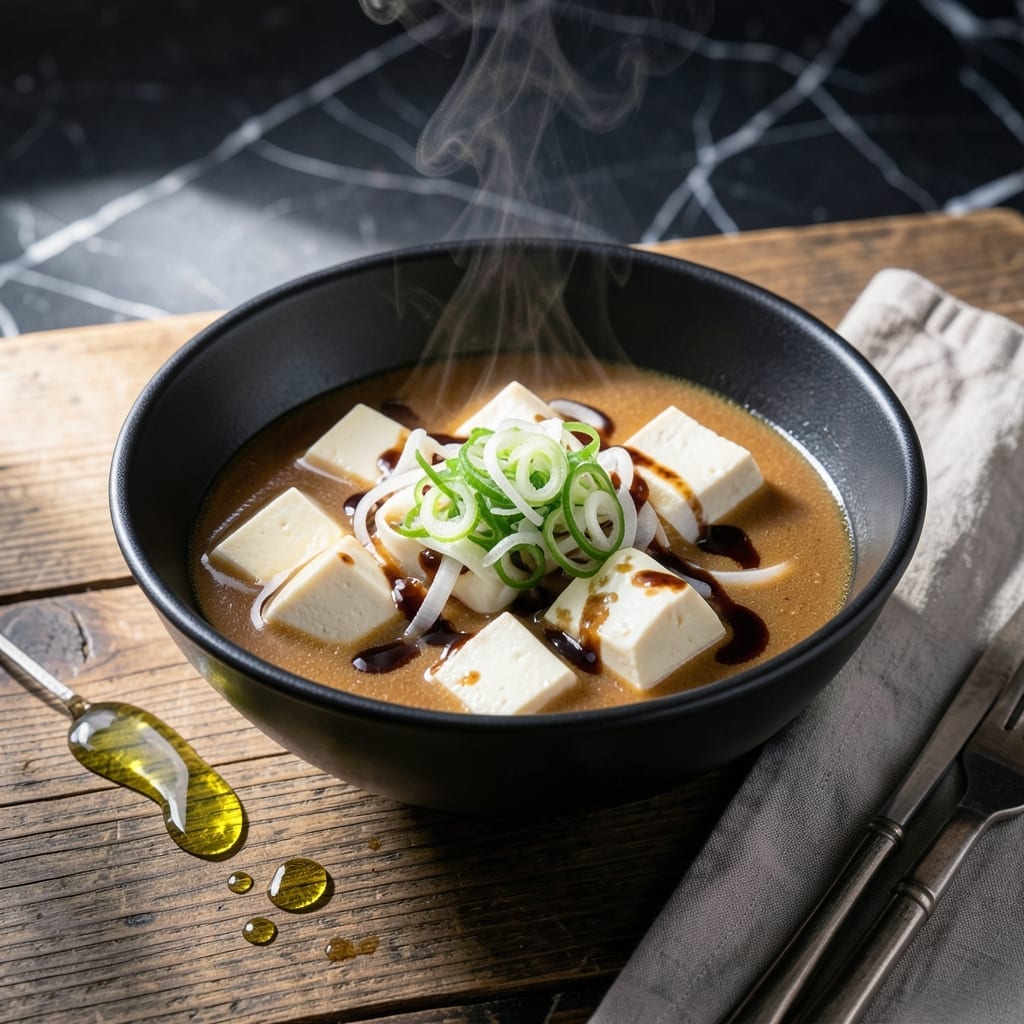
Miso transforms ordinary ingredients into extraordinary dishes with its deep, savory umami. This versatile paste can be the foundation for comforting soups, rich glazes, or bold marinades that elevate any meal.
I’ve developed a collection of miso-based recipes that highlight its ability to add complexity without overpowering. Each dish balances salty, sweet, and earthy notes to create layered flavors that linger.
From a warming bowl of miso soup to a caramelized glaze for vegetables, these recipes prove that miso is more than a condiment—it’s a cooking essential. The techniques are simple yet precise, ensuring restaurant-quality results at home.
Whether you’re new to miso or a longtime fan, these ideas will inspire you to experiment with its bold potential.
Ingredients for Miso Recipe Ideas
Umami-rich ingredients that turn simple meals into restaurant-quality dishes with deep, savory layers.
| Ingredient | Amount | Notes |
|---|---|---|
| White Miso Paste 🥣 | ½ cup | Fermented, smooth variety |
| Firm Tofu 🧈 | 14 oz | Pressed and cubed |
| Dashi Stock 🍲 | 4 cups | Vegan dashi or kombu-based |
| Scallions 🧅 | 4 whole | Thinly sliced, green parts only |
| Silken Tofu 🥄 | ½ cup | Blended for creaminess |
| Soy Sauce 🫒 | 2 tbsp | Low-sodium preferred |
| Mirin 🍶 | 1 tbsp | Sweet rice wine |
| Sesame Oil 🫒 | 1 tsp | Toasted for aroma |
| Garlic Cloves 🧄 | 3 cloves | Minced for depth |
| Fresh Ginger 🌿 | 1 tbsp | Grated, peeled |
| Mushrooms 🍄 | 8 oz | Shiitake or cremini, sliced |
| Baby Spinach 🥬 | 2 cups | Fresh, loosely packed |
| Rice Vinegar 🍚 | 1 tsp | For brightness |
| White Sesame Seeds 🌰 | 1 tsp | Toasted for garnish |
The miso paste is the heart of this. Look for white (shiro) miso at Whole Foods or Asian markets—it’s milder and sweeter than red. The dashi is what makes it authentic, but kombu-based vegan dashi is easy to find online or at Trader Joe’s. For the tofu, organic and non-GMO brands like House Foods give the best texture. Press it yourself for firmer cubes (30 minutes under a heavy pan does the trick).
No dashi? Vegetable broth with a splash of soy sauce works in a pinch. Don’t have mirin? 1 tbsp rice vinegar plus 1 tsp sugar mimics its sweet-tangy balance. Swap shiitake for oyster mushrooms if that’s what’s available, or skip them entirely and double the spinach. The sesame oil is non-negotiable though—it adds that final aromatic touch that ties everything together.
Leftovers keep beautifully for 3-4 days in the fridge, and the flavors actually deepen overnight. Freeze portions for up to 3 months (without the spinach—add that fresh). I like to make a double batch of the miso broth base and store it separately for quick meals later.
Why You’ll Love This Recipe
- I’ll be real: this is my go-to when I need dinner ready before the kids start complaining about hunger.
- One Bowl Wonder: I just stir white miso paste into warm dashi stock, add cubed tofu, and it’s done—no fancy techniques required.
- Umami Bomb: That first sip of the miso broth with silken tofu floating in it? Ridiculously good with scallions on top.
- Weeknight Hero: I’ll be real: this is my go-to when I need dinner ready before the kids start complaining about hunger.
Step-by-Step Instructions for Miso Soup with Tofu and Greens
Here’s my tested method for building layers of umami flavor in this comforting dish.
Step 1: Sauté Aromatics to Release Their Essence
Heat the sesame oil in a large pot over medium heat. Add the minced garlic and grated ginger, stirring constantly for 30-45 seconds until they become fragrant but haven’t taken on any color. This brief cook time mellows their raw bite while preserving their aromatic punch.
Next, add the sliced mushrooms and cook for 4-5 minutes until they soften and release their moisture. You’ll notice the mushrooms darken slightly and shrink in size. This step builds the foundation flavor for your broth, so don’t rush it.
Step 2: Build the Broth Base with Miso and Dashi
Pour in the 4 cups dashi stock and bring to a gentle simmer. Reduce the heat to low and add the 0.5 cup white miso paste, whisking vigorously until it dissolves completely. I like to ladle out a bit of the hot broth first to temper the miso—this prevents lumps and ensures a smooth consistency.
Add the 2 tbsp soy sauce and 1 tbsp mirin, then taste and adjust seasoning if needed. The broth should taste deeply savory with a subtle sweetness. Keep the heat low—boiling can dull miso’s delicate flavors and break the silken tofu later.
Step 3: Add Tofu and Simmer Gently
Carefully slide the 14 oz cubed firm tofu into the pot, ensuring each piece is submerged. Add the 0.5 cup blended silken tofu and stir gently to incorporate without breaking the firm tofu cubes. Simmer for 5-7 minutes to allow the flavors to meld.
You’ll see the broth transform into a creamy, opaque liquid as the silken tofu disperses. This creates a luxurious texture that coats the other ingredients beautifully. Avoid stirring too vigorously to keep the firm tofu intact.
Step 4: Finish with Fresh Greens and Final Touches
Turn off the heat and stir in the 2 cups baby spinach and thinly sliced scallions. The residual heat will wilt the spinach in 1-2 minutes while keeping it bright green. If the soup seems too thick, add a splash of water to reach your desired consistency.
Finish with the 1 tsp rice vinegar for a subtle brightness that cuts through the richness. Ladle into bowls and garnish each serving with a sprinkle of 1 tsp toasted white sesame seeds. Serve immediately while the tofu is still warm and the greens vibrant.
Pro Tips For Making Miso Recipe Ideas
- Don’t Boil the Miso: I learned this the hard way—adding miso paste directly to boiling dashi kills its delicate enzymes and dulls the flavor. Stir it into warm (not hot) stock, about 160°F or lower, to preserve its complexity.
- Press the Firm Tofu: Sounds obvious, but skipping this step leaves your tofu soggy in miso soup. Wrap it in a towel, place a heavy pan on top, and press for 15-20 minutes to get that perfect firm texture.
- Strain Your Dashi: After making dashi stock, always strain it through a fine-mesh sieve—those little bits of katsuobushi or kombu can make your miso soup gritty. It takes 2 minutes and makes a real difference in the final texture.
- Use Both Tofus: Silken tofu breaks down beautifully in miso soup for a creamy base, while firm tofu holds its shape for texture. I was skeptical until I tried it, but the contrast actually changes the outcome.
Regional Styles of This Dish
Japanese Classic
Traditional miso soup is the heart of Japanese cuisine, often served as a starter or alongside rice. In Kyoto, they often use white miso for a lighter, sweeter broth that highlights delicate ingredients like silken tofu and wakame seaweed. 🗺️
Korean Adaptation
Korean doenjang jjigae uses a fermented soybean paste similar to miso, creating a heartier stew. I love adding zucchini and potatoes to the broth, simmering for 20-25 minutes until the vegetables are tender and the flavors meld beautifully.
Chinese Influence
In Northern China, miso-like pastes are used in hot pots and braises. A Shanghai-style approach incorporates 1 tbsp miso into a 2-cup broth with bok choy and shitake mushrooms, simmered for 10 minutes until fragrant.
American Fusion
Stateside, miso shines in glazes for roasted vegetables. I brush eggplant slices with a mix of 2 tbsp white miso, 1 tbsp maple syrup, and 1 tsp rice vinegar, then roast at 400°F for 15-20 minutes until caramelized. 🔥
Thai-Inspired Twist
For a Southeast Asian flair, I combine 1 tbsp red miso with 1 cup coconut milk and 1 tbsp lime juice to create a creamy, tangy broth. Simmer with lemongrass and galangal for 10 minutes before adding tofu.
Nutrition Facts
Frequently Asked Questions
Can I use red miso instead of white?
Yes, but expect a stronger, saltier flavor. Red miso works best in hearty dishes like stews. For soups, use half the amount and adjust to taste.
How do I store leftover miso paste?
Keep it in an airtight container in the fridge for up to 1 year. The flavor deepens over time. Avoid freezing as it can alter the texture.
What’s the best way to dissolve miso in broth?
Whisk 1-2 tbsp of hot broth into the miso first to create a smooth paste. Then stir back into the pot to prevent clumping.
Can I make miso soup without dashi?
Use vegetable broth with a splash of soy sauce for a simple substitute. Kombu or bonito flakes also add depth if available.

- Pav Bhaji Recipe Food Lab: Mumbai Street Food Magic at Home - October 6, 2026
- Peach Jelly Recipe Without Pectin: Naturally Set Sweet Spread - October 6, 2026
- Pasta Salad Recipe With Zesty Italian Dressing: Bright Herb-Kissed Medley for Picnics - October 6, 2026