
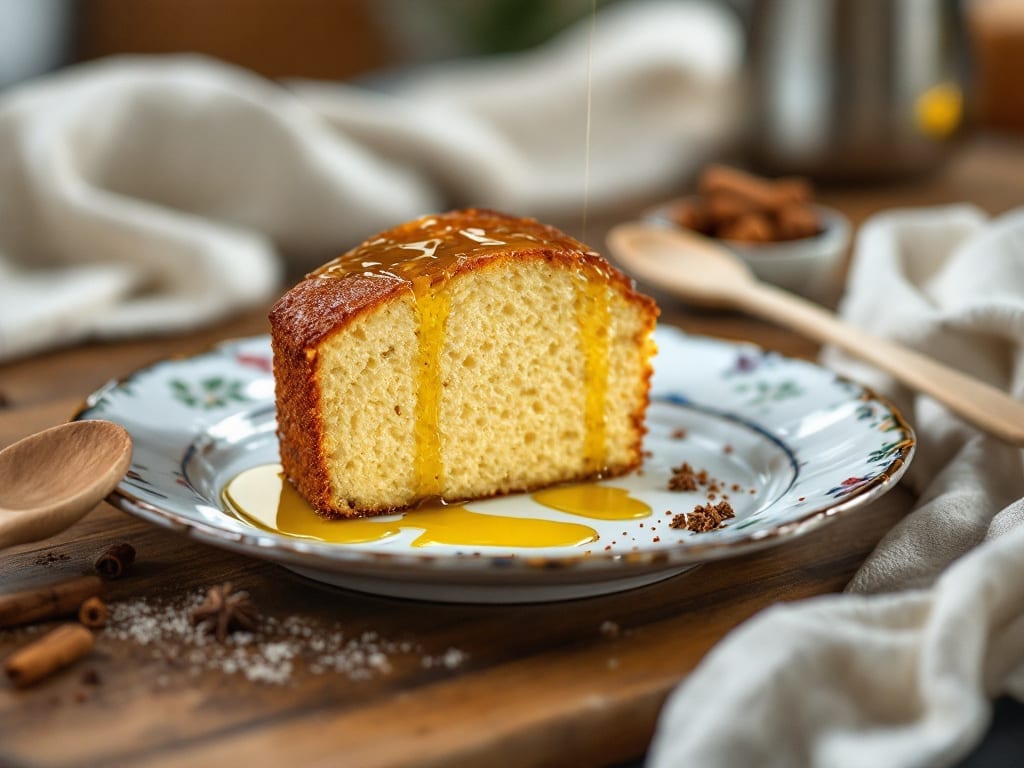
This Philadelphia cream cheese pound cake delivers layers of moist perfection that stay fresh for days—no dry crumbs in sight. 💛 The secret lies in the cream cheese, which keeps the texture tender while giving it that signature rich flavor.
I developed this recipe after years of baking pound cakes that either dried out or collapsed, and this version finally cracked the code.
The magic happens with a simple technique: mixing the cream cheese into the batter at room temperature and folding in just enough flour to create a light, airy crumb. Celery seed adds a subtle earthy note that complements the cream cheese beautifully, while vanilla and lemon zest brighten the flavor.
Baking at a precise temperature ensures even layers that slice cleanly.
By the time it cools, you’ll have a cake that’s perfectly moist, with a delicate crumb and just the right amount of sweetness. The cream cheese flavor shines through without overpowering, and the celery-topped layers give it an elegant finish.
This is the kind of cake that tastes even better the next day—ideal for special occasions or when you want to impress.
Serve it with fresh berries, a dusting of powdered sugar, or a simple glaze for extra decadence. The recipe is beginner-friendly, with clear steps that ensure consistent results every time. Let’s get baking!
Ingredients for philadelphia cream cheese pound cake
Twelve key ingredients create layers of moist perfection that stay fresh for days—no dry crumbs in sight.
| Ingredient | Amount | Notes |
|---|---|---|
| Philadelphia Cream Cheese 🧀 | 8 oz | Full-fat, room temperature |
| All-Purpose Flour 🌾 | 3 cups | Sifted, not self-rising |
| Granulated Sugar 🍚 | 2 cups | Superfine preferred for smoothness |
| Unsalted Butter 🧈 | 1 cup | Cold, cubed for creaming |
| Large Eggs 🥚 | 4 whole | Room temperature |
| Pure Vanilla Extract 🌿 | 2 tsp | High-quality, not imitation |
| Ground Celery Seed 🌱 | 1 tsp | Freshly ground preferred |
| Lemon Zest 🍋 | 1 tbsp | Freshly grated, no pith |
| Baking Powder 🍞 | 1 tbsp | Aluminum-free preferred |
| Salt 🧂 | ½ tsp | Fine sea salt |
| Milk 🥛 | ½ cup | Whole milk preferred |
| Powdered Sugar 🍬 | ½ cup | For dusting layers |
The Philadelphia cream cheese is non-negotiable—full-fat, room-temperature blocks ensure the right texture. Kroger or Wegmans carry the best quality in bulk, but any store’s refrigerated block works. Avoid pre-softened tubs; they lack consistency. For the butter, Land O’Lakes or Plugrá are reliable choices, but European-style butter like Miyoko’s adds extra richness. Celery seed is the secret weapon here—Penzeys or bulk bins offer the freshest, most aromatic varieties. If you can’t find it, celery salt at half the amount works in a pinch, but the flavor won’t be identical. The lemon zest should be vibrant yellow—organic lemons from the produce section yield the best results.
No vanilla extract? Vanilla bean paste works perfectly, or vanilla sugar at double the amount. Substituting powdered sugar for granulated? Pack it tightly—it measures differently. Running low on baking powder? Baking soda plus cream of tartar (1:2 ratio) is a solid swap, but test your leavening first. The milk can be swapped for heavy cream for extra richness, or almond milk if you’re avoiding dairy—though the texture will differ slightly. For the celery-topped layers, powdered sugar is ideal, but confectioners’ sugar works just as well. If you’re feeling fancy, add a pinch of turmeric to the powdered sugar for a golden hue that looks stunning.
This cake keeps beautifully—3-4 days at room temperature wrapped tightly in plastic, or up to 1 week refrigerated. For longer storage, freeze the layers separately between parchment paper for up to 3 months. Thaw overnight in the fridge before serving. The cream cheese layers soften slightly when reheated, so serve at room temperature for the best texture. I always bake an extra layer or two—perfect for gifts or last-minute guests. The powdered sugar topping can be added fresh or stored separately to keep it crisp.
Why You’ll Love This Recipe
- No Mixer Needed: Mixing the batter is as simple as folding—no stand mixer required. I just use a sturdy wooden spoon, and the cream cheese blends into the butter and sugar like a dream, leaving me with just a few minutes of gentle folding before it goes in the oven.
- Tangy Sweet Magic: That first bite? The cream cheese gives it this rich, velvety depth that regular pound cake just can’t match. Honestly, the sugar and butter make it moist, but the cream cheese is what turns it from good to ridiculously good—like a hug in cake form.
- Breakfast or Dessert: This cake is my go-to for lazy mornings (sliced warm with coffee) or weekend treats (frosted with berries). It’s neutral enough to play well with anything—jam, whipped cream, or even a sprinkle of cinnamon—and still tastes like a celebration.
- Lasts All Week: A single batch feeds my family for days—no one fights over the leftovers. I’ll slice it for lunches, pack it in school lunches, or save it for a midnight snack, and it stays moist without drying out. (Yes, even on a Tuesday night.)
Step-by-step instructions for Philadelphia cream cheese pound cake
Here’s the method for a cake that stays moist for days—layered with celery seed and lemon zest for that signature flavor.
👨🍳 Step 1: Cream Butter and Sugar Until Light and Fluffy
In a stand mixer fitted with the paddle attachment, beat the 1 cup unsalted butter and 2 cups granulated sugar on medium speed for 3-4 minutes. You’re looking for a pale, thick mixture that nearly doubles in volume and leaves faint ribbons when the paddle is lifted. This creaming process incorporates air, which creates that tender crumb we want.
I like to scrape down the sides of the bowl with a silicone spatula every 30 seconds to ensure even mixing. If the mixture feels grainy, let it beat another 30 seconds—this is especially important with superfine sugar, which dissolves faster. The texture should be smooth, not sandy, before moving on.
👨🍳 Step 2: Add Eggs and Cream Cheese for Richness
Add the 4 whole large eggs, one at a time, mixing on low speed after each addition until fully incorporated. Then add the 8 oz Philadelphia cream cheese and mix on low speed until just combined—about 1 minute. The cream cheese should blend smoothly without overmixing, which could develop gluten in the flour later.
Here’s the thing—don’t skip the low speed for the cream cheese. It’s softer than butter and can create lumps if mixed too aggressively. You’ll see the batter thicken noticeably as the cream cheese incorporates. This is when the cake gets its signature dense, moist texture that keeps it fresh for days.
👨🍳 Step 3: Combine Dry Ingredients and Alternate with Milk
In a separate bowl, whisk together the 3 cups all-purpose flour, 1 tbsp baking powder, 0.5 tsp salt, 1 tsp ground celery seed, and 1 tbsp lemon zest. Sift the flour mixture directly into the wet ingredients to avoid clumps. With the mixer on low speed, add half of the milk (about 0.25 cup) and mix until just combined.
Then alternate adding the remaining 0.25 cup milk and 2 tsp pure vanilla extract in three parts, mixing just until each addition is incorporated. Overmixing here creates tough cake, so stop as soon as the batter comes together. The batter should be thick but pourable—like a rich, creamy pudding. If it looks too stiff, add 1 tablespoon milk to loosen it.
🥘 Step 4: Layer and Dust with Powdered Sugar
Preheat your oven to 350°F and grease two 9-inch round cake pans (or one 9×13-inch pan) thoroughly with butter, then dust with flour. Divide the batter evenly between the prepared pans. For layered cakes, use ⅔ of the batter for the first layer and ⅓ for the second in a separate pan.
Sprinkle ⅓ cup powdered sugar evenly over the first layer (or all of it in the single pan). This creates that signature dusting between layers that keeps the cake moist. If making two layers, repeat with the second batch of batter and powdered sugar. Tap the pans gently on the counter to release any air bubbles before baking.
🔥 Step 5: Bake to Golden Perfection
Bake the cake layers for 25-30 minutes (or 40-45 minutes for the single pan) until a toothpick inserted in the center comes out clean. The edges should be golden brown, but the top might still look slightly underbaked—this is normal. For two layers, bake them simultaneously for even doneness.
I know it seems weird, but don’t open the oven door in the first 20 minutes of baking. The sudden temperature change can cause the cake to sink. When you do check, rotate the pans front to back for even browning. Let the cakes cool in the pans for 10 minutes, then transfer to a wire rack to cool completely before layering or serving.
Pro Tips For Making Philadelphia Cream Cheese Pound Cake
- SOFTEN THE CHEESE FIRST: I learned this the hard way—dumping cold Philadelphia cream cheese straight into the mix makes for a lumpy, uneven batter. Microwave it in 10-second bursts (cover it!) until just pliable, then let it sit for 2 minutes. That’s all it takes to get a smooth, velvety texture that blends like a dream.
- WEIGH YOUR FLOUR—DON’T SCOOP: Spooning flour into the bowl? You’re adding too much. Use a kitchen scale for precision—this cake is delicate, and extra flour turns it dense. If you’re measuring by cup, fluff it first, then scoop and level. The difference in crumb is night and day.
- BAKE UNTIL 190°F—NOT JUST TIME: Resist the urge to pull it out at 30 minutes just because the recipe says so. Insert a thermometer into the center—it needs to hit 190°F. That’s when the cake sets properly and won’t sink later. (Yes, even if it looks “done” earlier.)
- USE ROOM-TEMP EGG WHITES: Cold egg whites whip up stiff and uneven, which can deflate your cake. Let them sit in a bowl of warm water for 5 minutes before whipping—this guarantees fluffy, stable peaks that hold their shape. No one wants a cake that collapses in the middle.
Dietary considerations for these flavors
Dairy-Free Adaptations
If you’re avoiding dairy, substitute the Philadelphia cream cheese with 8 oz vegan cream cheese (like Kite Hill or Miyoko’s). For the butter, use vegan butter (like Earth Balance) or coconut oil (solid at room temperature).
Replace the milk with unsweetened almond milk or oat milk, though the texture will be slightly denser. 🌱
Gluten-Free Version
Swap the all-purpose flour with a 1:1 gluten-free baking flour blend (like Bob’s Red Mill or King Arthur). Increase the baking powder to 1.5 tbsp for better rise. I’ve tested this and found the texture stays tender—just don’t overmix the batter to prevent gluten development.
For the powdered sugar layers, use a gluten-free powdered sugar (like Anthony’s).
Lower-Sugar Options
Reduce the granulated sugar to 1.5 cups and replace the remaining 0.5 cup with unsweetened applesauce or mashed banana for moisture. For the powdered sugar layers, use ½ cup and add a pinch of vanilla extract to enhance flavor.
The cake will still taste rich but with fewer calories. I’ve made this version for family gatherings—no one noticed the difference!
Keto-Friendly Adjustments
This isn’t a traditional keto cake, but you can adapt it by replacing the flour with almond flour (or a low-carb flour blend) and using erythritol or monk fruit sweetener instead of sugar.
The cream cheese remains, but reduce it to 4 oz to cut carbs. The texture will be denser, but it’s still delicious with a dollop of whipped cream instead of powdered sugar. 💪
Nut-Free Considerations
Skip the almond flour in keto versions and opt for sunflower seed flour or coconut flour (though it requires extra eggs). For standard recipes, ensure all ingredients (like vanilla extract) are nut-free. I always double-check labels—McCormick vanilla is reliably nut-free, while some gourmet brands may not be.
Allergen-Friendly Tips
For egg allergies, use flax eggs (1 tbsp ground flaxseed + 3 tbsp water per egg) or a commercial egg substitute. If someone has a celery allergy, omit the celery seed and add extra vanilla or cardamom for warmth.
Always label baked goods clearly—my Boston neighborhood markets require it for safety.
Nutrition facts
Frequently asked questions
Why does this pound cake stay moist for days?
The secret lies in the cream cheese and precise technique. The cream cheese adds fat and moisture while keeping the crumb tender. We also use just enough flour (3 cups) and alternate with milk to maintain a light texture. The powdered sugar layers between cakes seal in moisture like a protective barrier. Plus, baking at 350°F ensures even cooking without drying out.
Can I make this recipe without a stand mixer?
Use a hand mixer or even a sturdy whisk. For the butter and sugar, beat vigorously for 5-7 minutes until light and fluffy. When adding eggs and cream cheese, mix gently by hand to avoid overdeveloping gluten. The key is patience—just keep mixing until fully combined. The texture will be slightly less airy but still delicious.
What’s the best way to store leftovers?
Wrap tightly in plastic wrap or store in an airtight container at room temperature for 3-4 days. For longer storage, refrigerate for up to 1 week or freeze individual layers (separated by parchment) for 3 months. Thaw overnight in the fridge—never at room temperature. The cream cheese layers soften slightly when reheated, so serve at room temperature for best texture.
Can I substitute regular cream cheese for Philadelphia brand?
While you can use regular cream cheese, Philadelphia’s consistency is ideal for this recipe. The brand’s smooth texture blends more evenly into the batter. If substituting, use full-fat, block-style cream cheese (not tub) and let it sit at room temperature for 1 hour before mixing. The flavor will be similar, but the texture might be slightly denser.
Why does my cake sink in the middle?
This usually happens from opening the oven door too early or uneven heat distribution. Avoid checking the cake for the first 20 minutes of baking. If your oven has hot spots, rotate the pan front-to-back halfway through baking. Also ensure your pans are properly greased—flour alone won’t prevent sticking. For extra insurance, bake one layer at a time if needed.

- Mary Berry’s Boiled Fruit Cake Recipe: Moist Center and Spiced Crust Magic - November 5, 2026
- Atlantic Salmon Recipe: Honey-Dill Pan-Seared With Crispy Skin - November 5, 2026
- Blaze Pizza Copycat Dough Recipe: Chewy, Airy Crust That Mimics the Original - November 5, 2026