
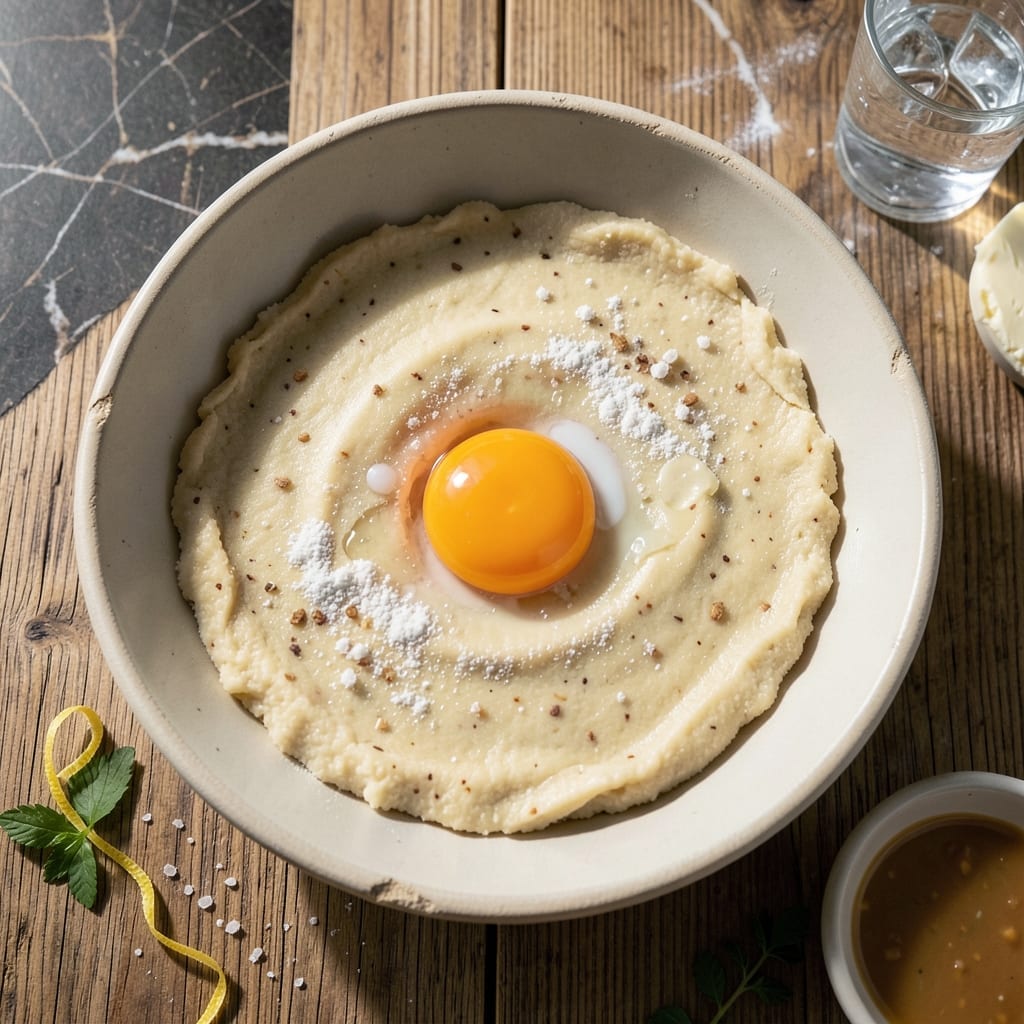
Mastering pie crust changed how I approach baking forever. The addition of egg creates a flaky, tender base that holds its shape better than any all-butter version I’ve tried.
This method relies on cold ingredients and minimal handling to develop those coveted layers. The egg adds structure while keeping the dough workable, preventing the shrinkage that often plagues traditional crusts.
You’ll end up with a golden, crisp foundation that stays intact from baking to serving. Whether for fruit pies or custards, it delivers consistent results without the guesswork.
No special equipment needed—just patience and precision. Here’s the proven approach.
Ingredients for Pie Crust Recipe with Egg
Cold butter, minimal handling, and an egg create this foolproof crust.
| Ingredient | Amount | Notes |
|---|---|---|
| All-Purpose Flour 🌾 | 2 ½ cups | Spoon and level for accuracy |
| Unsalted Butter 🧈 | 1 cup | Cold, cubed into 1/2-inch pieces |
| Large Egg 🥚 | 1 whole | Lightly beaten for binding |
| Ice Water 💧 | ¼ cup | Plus 1 tbsp as needed |
| Granulated Sugar 🍚 | 1 tsp | Optional, for sweet crusts |
| Salt 🧂 | ¾ tsp | Fine sea salt preferred |
| White Vinegar 🍋 | 1 tsp | Or apple cider vinegar |
| Vanilla Extract 🌿 | ½ tsp | Optional, for sweet pies |
The butter must stay cold—cut it into cubes and chill those too. I use Plugra or European-style for higher fat content, which means flakier layers. The flour is all-purpose, nothing fancy, but King Arthur has the most consistent protein content. Weighing is more accurate than scooping, but spoon-and-level works if you don’t have a scale (worth the extra minute).
No egg? An extra tablespoon of ice water and 1/2 tsp vinegar mimics the structure, but the crust won’t hold shape quite as well. For a richer flavor, substitute 2 tbsp sour cream for the same amount of water. The vinegar is key—don’t skip this part—it tenderizes the gluten. Need it sweeter? Double the sugar or add a pinch of cinnamon to the flour.
Dough disks freeze beautifully for 3 months—wrap tightly in plastic, then foil. Baked crusts keep 2 days at room temp in an airtight container, but they’re best used same-day. Pre-baked shells can sit 1 day ahead, just let them cool completely first (don’t skip this part).
Why You’ll Love This Recipe
- Five Ingredient Magic: This crust comes together with just flour, butter, egg, ice water, and a touch of sugar—no fancy ingredients or extra trips to the store.
- Rich, Buttery Layers: The egg adds depth and the cold butter creates those flaky layers I crave in every bite.
- Weekend or Weeknight: I’ve used this for holiday pies and random Tuesday desserts—it’s reliable either way.
- Stays Fresh: Honestly, the leftovers keep so well I’ve eaten pie for breakfast the next day.
Step-by-Step Instructions for Pie Crust With Egg
This method delivers perfect flakiness every time with minimal effort.
Step 1: Cut the Cold Butter into the Flour
In a large bowl, whisk together the 2.5 cups All-Purpose Flour, 0.75 tsp Salt, and 1 tsp Granulated Sugar until evenly combined. The sugar adds a subtle sweetness that balances the richness of the butter.
Add the 1 cup Unsalted Butter, cold and cubed into ½-inch pieces. Using a pastry cutter or your fingers, work the butter into the flour until the mixture resembles coarse crumbs with pea-sized butter pieces visible. This uneven texture is key—it creates pockets that expand during baking, forming those coveted flaky layers.
Step 2: Bind the Dough with Egg and Liquid
Create a well in the center of the flour mixture. Add the 1 whole Large Egg, lightly beaten, along with the 1 tsp White Vinegar and 0.5 tsp Vanilla Extract. The vinegar tenderizes the gluten, while the egg adds structure and richness.
Gradually incorporate the 0.25 cup Ice Water, one tablespoon at a time, mixing gently with a fork until the dough just begins to come together. Stop as soon as it holds when pressed—overworking develops gluten and ruins flakiness. If it feels dry, add up to 1 additional tablespoon of ice water, but no more.
Step 3: Chill for Optimal Texture
Turn the dough onto a lightly floured surface and gently shape it into a disk. Avoid kneading or pressing too hard. Wrap the disk tightly in plastic wrap and refrigerate for at least 1 hour or up to 24 hours.
This resting period allows the butter to firm up and the flour to fully hydrate. When you roll out the dough later, it will hold its shape and create distinct layers rather than toughening up. The egg in the dough also helps it maintain structure during this chill time.
Step 4: Roll and Shape for Baking
On a floured surface, roll the chilled dough to a 12-inch circle, about ⅛-inch thick. Rotate the dough occasionally to prevent sticking and ensure even thickness. The visible flecks of butter should still be intact—this is a good sign.
Transfer the rolled dough to your pie dish, pressing it gently into the bottom and sides without stretching. Trim the excess, leaving a ½-inch overhang for crimping. For a decorative edge, fold the overhang under and crimp with your fingers or a fork. Chill the lined pie dish for 15 minutes before filling and baking to prevent shrinking.
Pro Tips For Making Pie Crust Recipe With Egg
- Chill the Butter: Keep your unsalted butter ice cold until the very last moment—cut it into small cubes and pop it back in the fridge between steps. I learned this the hard way after ending up with a tough, flat crust instead of that flaky, golden finish.
- Use Ice Water: Measure out your ice water and let it sit with a few ice cubes for 5 minutes before adding it to the dough. Sounds weird, but it works: the colder the water, the less the butter melts prematurely, and that means layers.
- Skip Overworking: Mix just until the dough comes together—it’ll look shaggy and uneven, and that’s exactly right. After burning three batches, I finally figured out that too much handling develops gluten, which kills the tenderness.
- Rest Before Rolling: Wrap the dough and give it a solid 30 minutes in the fridge before rolling it out. My grandmother swore by this, and she was right: it relaxes the gluten and makes the crust easier to shape without cracking.
Regional Styles of This pie crust recipe with egg
Southern Style
Down South, they often add 1 extra egg yolk to the dough for richness and a deeper golden color. I learned this trick from a bakery owner in Charleston—it creates a sturdier crust that holds up beautifully to juicy fruit fillings like peach or blackberry. 💛
French Influence
In France, they incorporate 1 tbsp cognac or brandy along with the egg for depth of flavor. This version pairs especially well with rich custards like chocolate silk pie. The alcohol evaporates during baking, leaving just a hint of complexity.
Midwestern Tradition
My grandmother in Ohio always used shortening instead of butter for her egg-based crusts, claiming it made them more tender. She swore by Crisco and would chill her mixing bowl and pastry cutter beforehand. This method yields a flakier texture that many prefer for lattice-top pies.
Italian Approach
In Sicily, they sometimes add 1 tsp lemon zest to the dough with the egg for a subtle citrus note. This works particularly well with ricotta or cannoli-style fillings. The zest brightens the buttery richness without overpowering the crust’s natural flavor.
Pacific Northwest
Out West, bakers often replace 1 tbsp of ice water with 1 tbsp sour cream for extra tenderness. This variation creates a slightly more elastic dough that’s easier to roll thin—perfect for those intricate leaf designs on apple pies. I tried this in Seattle and was amazed by the difference.
New England
For their famous apple pies, many add ½ tsp cinnamon to the flour mixture along with the egg. This subtle spice enhancement complements the filling beautifully. The crust takes on a warm, aromatic quality that’s become a regional signature. 🗺️
Nutrition Facts
Frequently Asked Questions
Why add an egg to pie dough?
The egg acts as a binder, adding structure and richness. It also helps the crust hold its shape better during baking and creates a golden finish. Without it, the dough may shrink or lose definition.
Can I use a different type of fat?
Yes! Shortening or lard will work, but butter provides the best flavor. For a flakier texture with shortening, chill your tools and ingredients extra well before mixing.
How do I prevent a soggy bottom?
Blind bake the crust for 10 minutes at 375°F before adding filling. Brushing the par-baked crust with egg white also creates a moisture barrier.
What if my dough cracks while rolling?
Don’t stretch it! Let the dough warm slightly (2-3 minutes) and patch cracks with extra dough. Press gently to seal without overworking.

- Pina Colada Dip Recipe Red Lobster: Tropical Creaminess With Toasted Coconut - October 12, 2026
- Pickled Sweet Cherry Peppers Recipe Canning: Tangy Heat for Pantry Staples - October 12, 2026
- Peppercorn Sauce Recipe Vegan: Rich Umami Depth Without Cream - October 12, 2026