
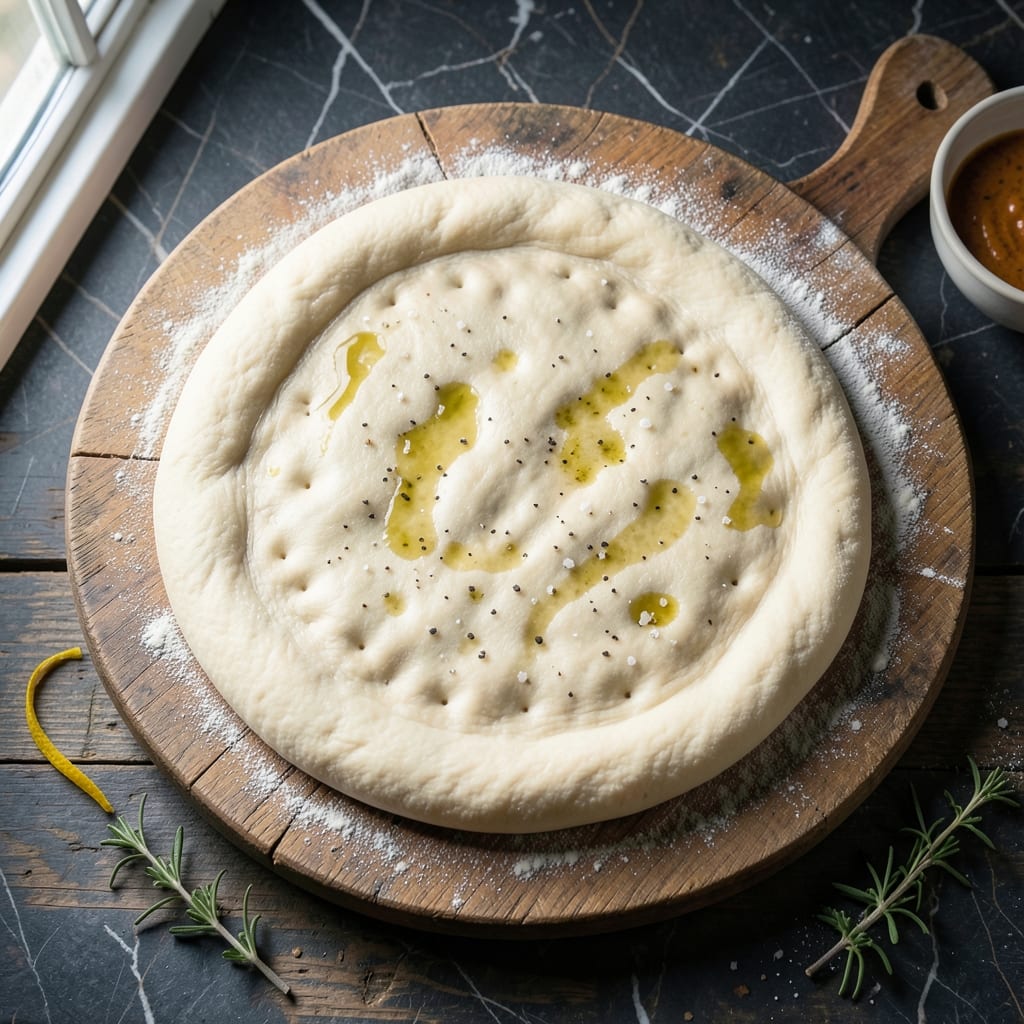
Mastering pizza starts with the foundation, and this base delivers the crispy yet chewy texture that defines exceptional pies.
I’ve refined this method to mirror professional techniques, focusing on precise hydration and fermentation for consistent results. The dough develops complex flavor while maintaining the perfect elasticity for shaping.
The key lies in a slow, cold rise that transforms simple ingredients into a canvas ready for any topping. This process ensures a golden, airy crust with just the right amount of bite.
With this base, you’ll achieve restaurant-quality results at home—every single time. No special equipment required, just patience and attention to detail.
Ingredients for Pizza Base Recipe Gordon Ramsay
Eight ingredients transform into a restaurant-quality canvas for any topping combination you desire.
| Ingredient | Amount | Notes |
|---|---|---|
| Bread Flour 🌾 | 3 ½ cups | High-protein for elasticity |
| Active Dry Yeast 🍞 | 1 tsp | Instant yeast works too |
| Fine Sea Salt 🧂 | 1 ½ tsp | Diamond Crystal preferred |
| Extra-Virgin Olive Oil 🫒 | 2 tbsp | High quality for flavor |
| Lukewarm Water 💧 | 1 ¼ cups | 110-115°F for activation |
| Sugar 🧈 | 1 tsp | Feeds the yeast |
| Semolina Flour 🌾 | ¼ cup | For dusting work surface |
| All-Purpose Flour 🌾 | ½ cup | Reserved for adjustments |
The flour is non-negotiable here. Bread flour with 12-14% protein delivers that chewy texture—King Arthur or Bob’s Red Mill are reliable. Yeast must be fresh; check the expiration date. Diamond Crystal salt dissolves cleanly and seasons evenly. For water, use filtered if your tap has strong chlorine taste, which can inhibit yeast activity.
No bread flour? All-purpose plus 1 tbsp vital wheat gluten per cup gets close. Out of semolina? Cornmeal works at a 1:1 ratio for dusting. Sugar can be swapped for honey at the same quantity. If using instant yeast, skip the bloom step and add it directly to dry ingredients. The olive oil should be fruity and fresh—this isn’t the place for that old bottle in the back of your cabinet.
Dough keeps in the fridge for 3 days (flavor improves daily) or freeze for 1 month. Portion into balls before freezing, then thaw overnight in the fridge. Bring to room temperature before shaping. Always dust with semolina—it adds texture and prevents sticking (worth the extra minute).
Why You’ll Love This Recipe
- No-Fuss Dough: I mix the bread flour, yeast, salt, and olive oil in one bowl—no fancy gadgets, just my hands and 10 minutes of kneading.
- Crisp Yet Chewy: That combination of fine sea salt and extra-virgin olive oil gives it a rich, savory depth with the perfect bite.
- Endless Topping Canvas: I’ve used this base for margherita,BBQ chicken, even breakfast pizza with eggs and bacon.
- Penny-Wise Feast: Bread flour and yeast cost peanuts, and one batch makes four generous bases—I freeze the extras for lazy nights.
Step-by-Step Instructions for Pizza Base
Master the technique for a flawless foundation with crisp edges and chewy texture.
Step 1: Activate the Yeast Properly
In a small bowl, combine the 1.25 cups lukewarm water, 1 tsp sugar, and 1 tsp active dry yeast. The water temperature is critical—it must be between 110-115°F to activate the yeast without killing it.
Let the mixture sit for 5-7 minutes until it becomes foamy and bubbly. This visual confirmation means the yeast is alive and ready to work. If it doesn’t foam, your water may have been too hot or cold, or the yeast may be expired—start over with fresh ingredients.
Step 2: Create the Dough with Precision
In a large mixing bowl, combine the 3.5 cups bread flour and 1.5 tsp fine sea salt. Make a well in the center and pour in the yeast mixture and 2 tbsp extra-virgin olive oil. The high-protein bread flour is essential for developing the elasticity needed for a chewy crust.
Using a wooden spoon, mix until a shaggy dough forms. Then, turn it out onto a surface dusted with 0.25 cup semolina flour—this coarse flour prevents sticking while adding subtle texture. Knead for 8-10 minutes until the dough is smooth and elastic, adding small amounts of the 0.5 cup all-purpose flour only if it feels too sticky. The dough should be tacky but not adhere to your hands.
Step 3: Proof for Maximum Flavor Development
Shape the dough into a ball and place it in a lightly oiled bowl, turning to coat all sides. Cover with a damp kitchen towel and let it rise in a warm, draft-free place for 1.5-2 hours, or until doubled in volume.
This proofing time allows the yeast to ferment the sugars, creating air pockets that result in a light, airy texture. The dough is ready when it springs back slowly when poked with a finger. If your kitchen is cool, place the bowl near a warm oven (turned off) to speed up the process.
Step 4: Shape and Prepare for Baking
Punch down the dough to release the air, then divide it into 4 equal portions for individual pizzas. On a surface dusted with more semolina flour, roll or stretch each portion into a 12-inch round. The semolina adds a subtle crunch and prevents the dough from sticking during shaping.
Transfer the shaped dough to a piece of parchment paper. Use your fingers to create a slightly thicker rim around the edge—this forms the crust. Let the dough rest for 10-15 minutes before adding toppings. This brief rest relaxes the gluten, preventing the dough from shrinking during baking.
Step 5: Pre-Bake for the Perfect Crust
Preheat your oven to its highest setting, ideally 500°F or above, with a pizza stone or inverted baking sheet inside. The extreme heat mimics a professional pizza oven, creating a crisp exterior while keeping the interior chewy.
Slide the dough (still on the parchment) onto the preheated stone and bake for 5-7 minutes until the crust sets and begins to puff slightly. This pre-baking step ensures a sturdy base that won’t get soggy under toppings. Remove from the oven, add your desired toppings, and return to bake until finished.
Pro Tips For Making Pizza Base Recipe Gordon Ramsay
- Use High-Protein Flour: Bread flour’s higher protein content gives that chewy, elastic texture Ramsay’s base is known for—skip all-purpose or you’ll end up with a sad, limp crust. —
- Check Yeast Freshness: I learned this the hard way—old yeast won’t activate properly, even in lukewarm water. Test it in a small bowl first; if it doesn’t bubble within 5 minutes, start over. —
- Knead Longer Than Expected: Ramsay’s dough needs a full 8-10 minutes of kneading by hand (or 5-6 in a mixer) to develop the gluten—stop early and the base will tear when you stretch it. —
- Rest Overnight in Fridge: After burning through a few same-day attempts, I now let the dough cold-ferment for 24 hours—it develops deeper flavor and rolls out like a dream.
Serving Suggestions for This Recipe
Classic Margherita Style
This base shines with simplicity. Spread ½ cup San Marzano tomato sauce, then add 8 oz fresh mozzarella torn into pieces. Finish with fresh basil leaves and a drizzle of extra-virgin olive oil. The thin, crispy crust holds up perfectly to the juicy toppings.
Gourmet White Pizza
Skip the sauce and brush the base with 2 tbsp olive oil mixed with 1 minced garlic clove. Top with ricotta, sliced provolone, and fresh arugula after baking. The crust’s chewiness complements the creamy, rich toppings beautifully.
Meat Lover’s Feast
Pre-bake the base, then layer ¼ cup marinara, shredded mozzarella, pepperoni, Italian sausage, and crumbled bacon. The sturdy crust handles all the hearty toppings without getting soggy. 🔥
Veggie Delight
Lightly coat the base with pesto instead of sauce. Add sliced bell peppers, red onions, olives, and artichoke hearts. Sprinkle with feta cheese before baking. The crispy edges pair wonderfully with the fresh vegetables.
Breakfast Pizza
After pre-baking, top with scrambled eggs, crispy bacon, shredded cheddar, and a drizzle of hot sauce. The chewy texture works surprisingly well with breakfast flavors.
Dessert Pizza
Dust the baked base with cinnamon sugar, then top with sliced apples, caramel sauce, and a scoop of vanilla ice cream. The slightly sweet crust makes this treat irresistible. ✨
Nutrition Facts
Frequently Asked Questions
What type of flour works best?
Use bread flour for its 12-14% protein content, which creates elasticity. All-purpose works in a pinch but may need 1 tbsp vital wheat gluten per cup for similar chew.
Can I use instant yeast instead?
Yes, skip the bloom step and add it directly to dry ingredients. The results will be identical to active dry yeast.
Why does the dough need to rest before shaping?
This 10-15 minute rest relaxes the gluten, preventing the dough from shrinking when stretched. It ensures even thickness and better texture.
How do I store leftover dough?
Refrigerate for up to 3 days or freeze for 1 month. Portion into balls first, then thaw overnight in the fridge before using.

- Potato Candy Recipe 1933: Vintage Peanut Butter Roll Delight - October 30, 2026
- Potato Chip Cookie Recipe With Pecans: Buttery Crunch Meets Nutty Richness - October 30, 2026
- Potato Patty Recipe No Egg: Crispy Edges Without the Binder - October 30, 2026