
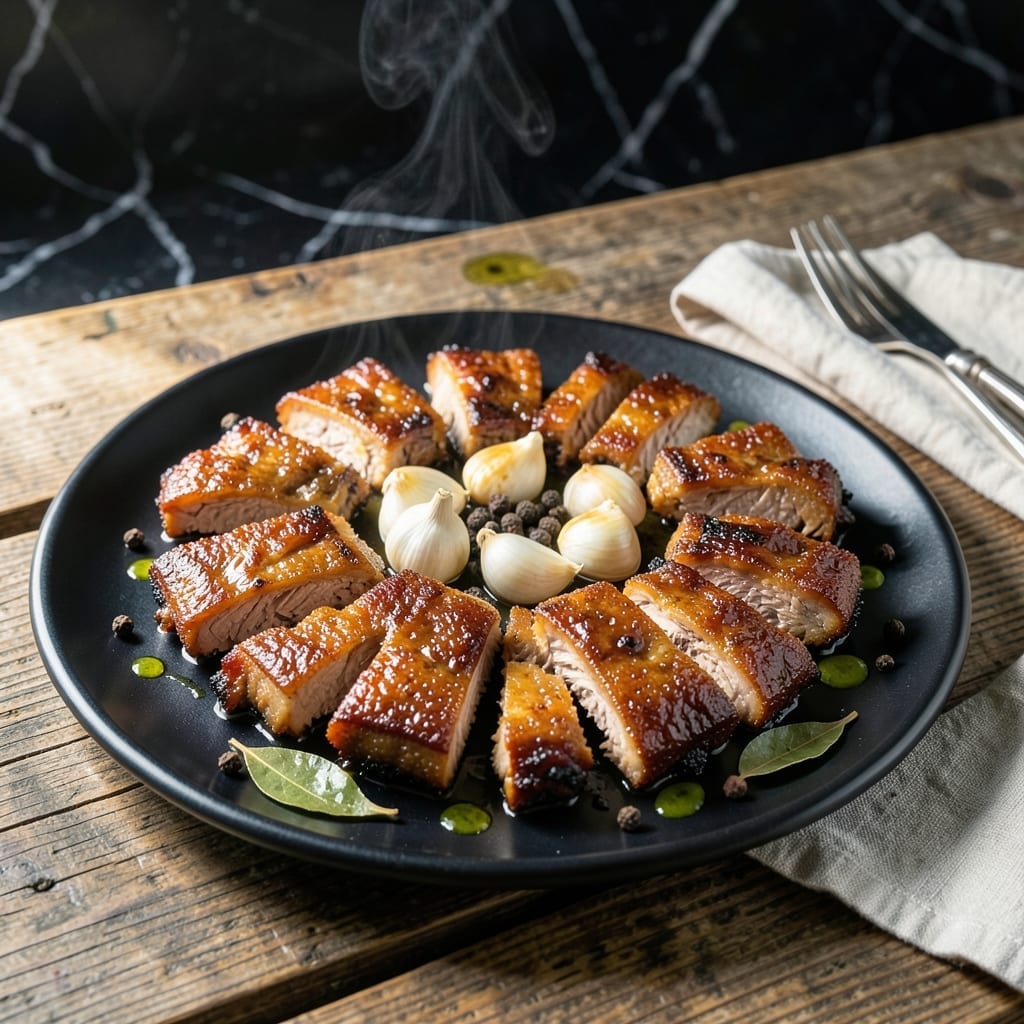
This Filipino-inspired pork ribs recipe delivers fall-off-the-bone tenderness with a sticky adobo glaze that’s impossible to resist. I’ve tested this method repeatedly to ensure the meat becomes perfectly tender while the sauce caramelizes just right.
The secret lies in slow-braising the ribs in a tangy adobo marinade before finishing them under the broiler. This technique locks in moisture and builds deep, complex flavors that define traditional Filipino cooking.
What you get is ribs so tender they nearly melt in your mouth, coated in a glossy, savory-sweet glaze. The aroma alone will have everyone gathering around the table before the dish is even served.
Serve with steamed rice to soak up every last bit of the rich, flavorful sauce. Here’s how to make it perfect every time.
Ingredients for Pork Ribs Recipe Philippines
These bold Filipino-inspired ingredients create ribs with melt-in-your-mouth tenderness and rich adobo glaze.
| Ingredient | Amount | Notes |
|---|---|---|
| Pork Baby Back Ribs 🥩 | 2 ½ lb | Cut into individual ribs |
| Soy Sauce 🫒 | ¾ cup | Low-sodium preferred for balance |
| White Vinegar 💧 | ½ cup | Cane or distilled white |
| Garlic Cloves 🧄 | 8 cloves | Minced for maximum flavor infusion |
| Bay Leaves 🍃 | 3 whole | Dried, for aromatic depth |
| Black Peppercorns 🌶️ | 1 tbsp | Lightly crushed for infusion |
| Brown Sugar 🍚 | ½ cup | Light or dark, packed |
| Pineapple Juice 🍍 | ½ cup | For natural sweetness and acidity |
| Onion 🧅 | 1 whole | Yellow or white, thinly sliced |
| Olive Oil 🫒 | 2 tbsp | For searing ribs initially |
| Cornstarch 🌾 | 1 tbsp | Slurry for sauce thickening |
| Water 💧 | 1 cup | For braising liquid adjustment |
| Green Onions 🧅 | 4 whole | Thinly sliced for garnish |
| Salt 🧂 | 1 tsp | Kosher or sea salt preferred |
The ribs are everything here—baby back ribs deliver the perfect meat-to-bone ratio. Look for well-marbled pieces at your butcher or quality grocery like Whole Foods. The soy sauce should be Filipino brands like Silver Swan or Datu Puti for authentic flavor. Bay leaves and peppercorns are standard in most spice aisles, but freshly crushed peppercorns make a noticeable difference in the marinade depth.
No pineapple juice? Substitute with orange juice for similar sweetness and acidity. Short on brown sugar? Coconut sugar at 1:1 ratio works beautifully. If you can’t find baby back ribs, St. Louis-style ribs are a fine alternative—they just need an extra 20 minutes of braising. The vinegar is non-negotiable though—it’s what gives adobo its signature tang (white vinegar is traditional, but apple cider works in a pinch).
The ribs taste even better the next day—reheat gently in the sauce. Leftovers keep 4-5 days refrigerated or freeze for 3 months. Always slice ribs between the bones before storing for easier reheating and serving.
Why You’ll Love This Recipe
- One Pan Wonder: I just toss the ribs with soy sauce, vinegar, garlic, and bay leaves, then let the oven do the work.
- Garlic Soy Magic: The soy and vinegar marinade soaks into the ribs, while the garlic gives that deep, savory punch.
- Feeds a Crowd: I make a big batch for family gatherings, and everyone always asks for the recipe.
- Leftovers Rock: Honestly, they taste even better the next day—tender, juicy, and perfect for quick meals.
Step-by-Step Instructions for Adobo-Glazed Pork Ribs
Precision in technique ensures fall-off-the-bone tenderness with every bite.
Step 1: Sear the Ribs for Depth of Flavor
Cut the 2.5 lb Pork Baby Back Ribs into individual ribs for even cooking and better sauce absorption. Pat them dry thoroughly with paper towels—this prevents steaming and promotes a good sear. Season evenly with the 1 tsp Salt and a generous amount of freshly ground black pepper.
Heat the 2 tbsp Olive Oil in a large, heavy-bottomed pot over medium-high heat until it shimmers. Working in batches to avoid crowding, sear the ribs for 2-3 minutes per side until deeply browned. You’ll know they’re ready to flip when they release easily from the pot. This step builds a flavorful fond that will enrich the sauce later.
Step 2: Build the Adobo Braising Liquid
In the same pot, add the 1 whole Onion (thinly sliced), 8 cloves Garlic Cloves (minced), 3 whole Bay Leaves, and 1 tbsp Black Peppercorns (lightly crushed). Sauté for 2-3 minutes until the onion softens and the garlic becomes fragrant but not browned.
Pour in the 0.75 cup Soy Sauce, 0.5 cup White Vinegar, 0.5 cup Brown Sugar, and 0.5 cup Pineapple Juice. Stir to combine, scraping up any browned bits from the bottom of the pot. The vinegar’s sharpness will mellow as it simmers, balancing the sweetness of the sugar and pineapple juice.
Step 3: Braise the Ribs to Tenderness
Return all the seared ribs to the pot, ensuring they are mostly submerged in the liquid. Add the 1 cup Water to adjust the level if needed. Bring the mixture to a gentle boil, then reduce the heat to low, cover, and simmer for 1.5 to 2 hours.
The ribs are done when the meat pulls away from the bone easily and a fork slides in with minimal resistance. This slow cooking process allows the adobo flavors to penetrate deeply, ensuring each bite is infused with the rich, tangy-sweet sauce.
Step 4: Thicken the Sauce and Finish
Remove the ribs from the pot and set them aside. Skim any excess fat from the surface of the braising liquid. In a small bowl, mix the 1 tbsp Cornstarch with 2 tbsp of the braising liquid to create a slurry. Stir this into the pot and simmer over medium heat for 3-5 minutes until the sauce thickens into a glossy glaze.
Return the ribs to the pot, coating them thoroughly with the sauce. Simmer for an additional 2-3 minutes to allow the flavors to meld. The sauce should cling to the ribs, creating a sticky, caramelized finish.
Step 5: Garnish and Serve
Transfer the ribs to a serving platter and drizzle any remaining sauce over the top. Garnish with the 4 whole Green Onions (thinly sliced) for a fresh, vibrant contrast to the rich adobo glaze.
Serve immediately while the ribs are hot and the sauce is at its most luscious. The meat should be so tender it nearly falls off the bone, with each bite delivering the perfect balance of savory, sweet, and tangy flavors.
Pro Tips For Making Pork Ribs Recipe Philippines
- Parboil First: Simmer the ribs in water with bay leaves for 20 minutes before marinating—this removes impurities and lets the soy-vinegar marinade penetrate deeper.
- Crush the Garlic: Pound the garlic cloves before mixing them into the marinade; it releases more flavor and ensures every bite of ribs gets that punchy garlic kick.
- Skip the Overcrowding: I learned this the hard way—arrange the ribs in a single layer when braising so the soy-vinegar sauce coats evenly instead of steaming them unevenly.
- Reduce the Sauce: After braising, transfer the sauce to a pan and thicken it for 5 minutes—this turns the leftover marinade into a glossy glaze that clings to the ribs.
Dietary Considerations for This Dish
Gluten-Free Notes
This dish is naturally gluten-free if you use tamari or a certified gluten-free soy sauce like San-J. Regular soy sauce contains wheat, so check labels carefully. The 2.5 lb Pork Baby Back Ribs and all other ingredients are inherently gluten-free. 💡
Low-Sodium Option
To reduce sodium, use low-sodium soy sauce and cut the added 1 tsp Salt entirely. Boost flavor with extra garlic and onion instead. The pineapple juice and brown sugar help balance without added salt.
Sugar-Free Adaptation
Replace the 0.5 cup Brown Sugar with a sugar-free alternative like Swerve or monk fruit sweetener. Reduce the pineapple juice to ¼ cup and add 1 tsp apple cider vinegar to maintain the acidity balance.
Dairy-Free & Nut-Free
This recipe is already dairy-free and nut-free, making it safe for those with allergies. The olive oil and all other ingredients pose no risk. Always verify your soy sauce brand for potential cross-contamination if allergies are severe.
Keto-Friendly Version
Cut the brown sugar to 2 tbsp and use erythritol for the rest. Skip the pineapple juice and use 1 tbsp lemon juice instead. Serve with cauliflower rice to keep it low-carb. The adobo flavors still shine. ✨
Pregnancy Considerations
Ensure the ribs reach an internal temperature of 145°F for safe consumption. The vinegar and soy sauce are safe in moderation. If concerned about raw garlic, reduce to 4 cloves or cook it longer to mellow the intensity.
Nutrition Facts
Frequently Asked Questions
Can I use a different cut of ribs?
Yes, St. Louis-style ribs work well too. They need 20 minutes extra braising since they’re thicker. Baby back ribs are preferred for their tenderness and quicker cooking time.
How do I store leftovers?
Keep in an airtight container for 4-5 days in the fridge. Reheat gently in the sauce to maintain moisture. Freeze for up to 3 months for longer storage.
Why is the vinegar important?
It balances the sweetness and adds the signature adobo tang. White vinegar is traditional, but apple cider works in a pinch. Never skip it—the flavor won’t be the same.

- Potato Patty Recipe No Egg: Crispy Edges Without the Binder - October 30, 2026
- Paula Deen’s Potato Chip Cookies Recipe: Salty-Sweet Crunch in Every Bite - October 30, 2026
- Potato Gnocchi Recipe Ideas: Pillowy Soft Dumplings With Rustic Charm - October 30, 2026