
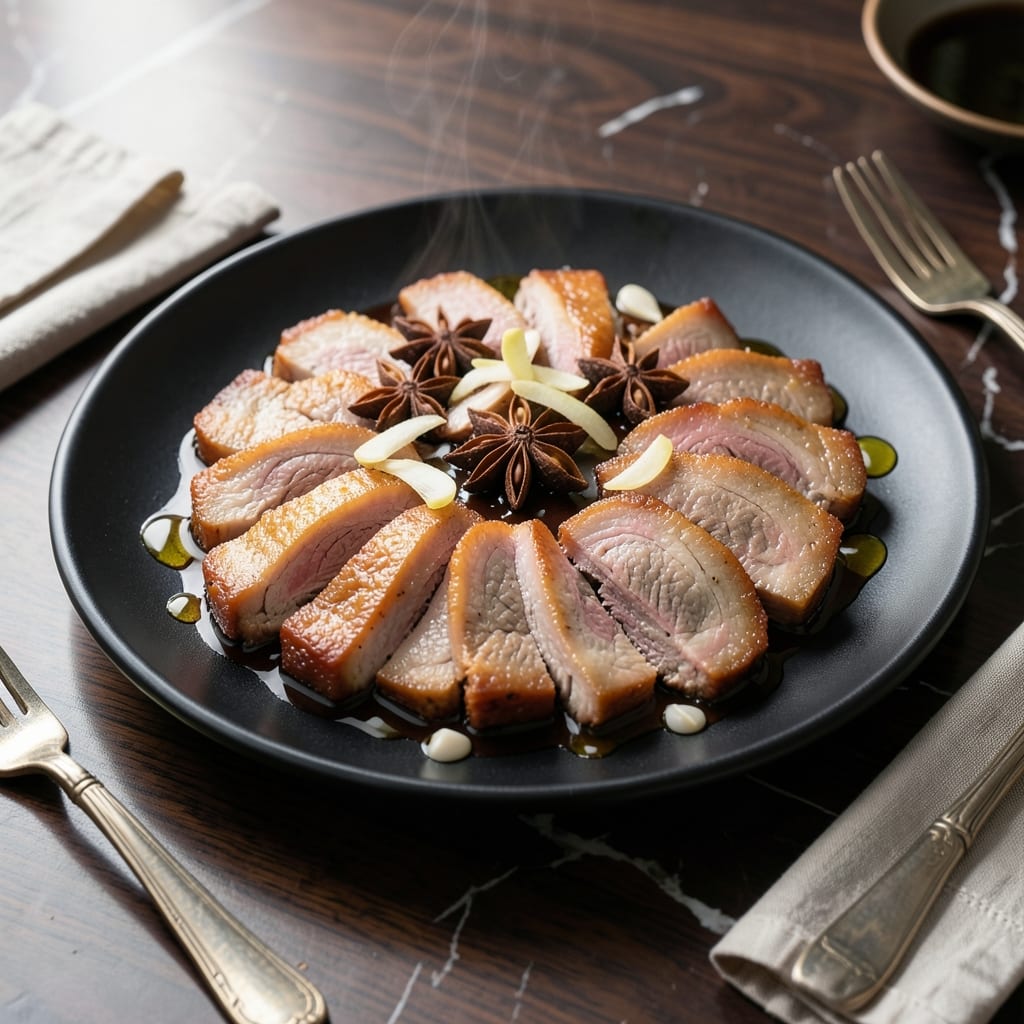
This Chinese-style pork tongue delivers a velvet-smooth texture that melts in your mouth, paired with an aromatic sauce that lingers on the palate. The traditional technique involves careful blanching, slow simmering, and a precise finish that ensures tenderness.
What sets this dish apart is the balance of flavors in the sauce—star anise, soy sauce, and ginger create a complex profile that enhances the pork without overpowering it. The tongue absorbs these flavors deeply during cooking.
You’ll achieve a result that’s both tender and flavorful, with a sauce that’s rich yet light. This method transforms an often-overlooked cut into a dish worthy of special occasions.
Serve with steamed rice to soak up every drop of the fragrant sauce. The technique is straightforward but requires patience for the best outcome.
Ingredients for Pork Tongue Recipe Chinese Style
Transform humble pork tongue into a melt-in-your-mouth masterpiece with these aromatic ingredients.
| Ingredient | Amount | Notes |
|---|---|---|
| Pork Tongue 🐷 | 2 lb | Fresh, cleaned and trimmed |
| Star Anise Pods ✨ | 3 whole | Whole for infusion |
| Soy Sauce 🫕 | ½ cup | Low-sodium preferred |
| Dark Soy Sauce 🫕 | 2 tbsp | For depth and color |
| Fresh Ginger 🌿 | 3 tbsp | Peeled and sliced |
| Garlic Cloves 🧄 | 6 cloves | Smashed lightly |
| Shaoxing Wine 🍶 | ¼ cup | Or dry sherry substitute |
| Rock Sugar 🍬 | 2 tbsp | Or granulated sugar |
| Green Onions 🧅 | 4 whole | Cut into 2-inch pieces |
| Dried Red Chilies 🌶️ | 2 whole | Optional for heat |
| Bay Leaves 🍃 | 2 whole | For aromatic depth |
| Sesame Oil 🫒 | 1 tsp | For finishing |
| Cornstarch 🌾 | 1 tbsp | For velvet texture |
| Water 💧 | 6 cups | For blanching and simmering |
The pork tongue is the star here. Source it fresh from a trusted butcher or Asian market—avoid pre-frozen options which can affect texture. Look for pink, firm tongues without any off odors. For the star anise, whole pods from Penzeys or bulk spice shops deliver the most authentic flavor. Don’t substitute ground star anise; it can make the sauce gritty and overpowering.
No Shaoxing wine? Dry sherry works in a pinch, though the flavor profile differs slightly. Rock sugar can be replaced with regular granulated sugar at one-to-one ratio. If you can’t find pork tongue, pork shoulder can be used (cut into chunks), but the texture won’t be as delicate. The green onions are flexible—leeks or regular onions can stand in if needed.
Blanched pork tongue keeps in the fridge for 2-3 days before cooking. The finished dish stores well for 4 days refrigerated or 3 months frozen. Always bring the tongue to room temperature before starting for even cooking. The aromatic sauce actually improves overnight as flavors meld together.
Why You’ll Love This Recipe
- I’ll be real: this is my go-to for family gatherings because it stretches far and tastes even better the next day.
- One Pot Wonder: I just toss the pork tongue with star anise, soy sauces, and ginger in a pot and let it simmer—minimal cleanup, maximum flavor.
- Deep Umami Bomb: The mix of soy and dark soy sauce with star anise gives this dish a rich, savory depth that’s honestly hard to beat.
- Feeds a Crowd: I’ll be real: this is my go-to for family gatherings because it stretches far and tastes even better the next day.
Step-by-Step Instructions for Pork Tongue Chinese Style
This method delivers tender, velvet-textured pork tongue with a rich, aromatic sauce every time.
Step 1: Blanch the Pork Tongue
Bring the 6 cups water to a boil in a large pot. Add the 2 lb pork tongue and blanch for 5-7 minutes to remove impurities. You’ll notice foam rising to the surface—skim this off with a fine-mesh strainer for a cleaner broth later.
This step also tightens the outer layer of the pork tongue, which helps it retain moisture during the longer cooking process. Drain and rinse the tongue under cold water, then pat dry with paper towels. This prep ensures a clean base for the aromatic braise.
Step 2: Prepare the Aromatic Braising Liquid
In the same pot, combine the 6 cups water, 0.5 cup soy sauce, 2 tbsp dark soy sauce, 0.25 cup Shaoxing wine, 2 tbsp rock sugar, 3 tbsp fresh ginger, 6 cloves garlic cloves, 4 whole green onions, 2 whole dried red chilies, 2 whole bay leaves, and 3 whole star anise pods.
Bring this mixture to a gentle simmer over medium heat. The sugars will dissolve, and the aromatics will begin to release their flavors into the liquid. Let it simmer for 5 minutes before adding the pork tongue to allow the spices to bloom fully.
Step 3: Braise the Pork Tongue to Tenderness
Return the pork tongue to the pot, ensuring it is fully submerged in the braising liquid. If needed, add a bit more water to cover. Reduce the heat to low and maintain a gentle simmer. Partially cover the pot with a lid to allow steam to escape while keeping the liquid from evaporating too quickly.
Braise for 2 to 2.5 hours, turning the tongue occasionally to ensure even cooking. The pork tongue is done when it is fork-tender and the tip of a knife slides in effortlessly. The liquid will reduce slightly, concentrating the flavors into a deeply aromatic sauce.
Step 4: Slice, Coat, and Finish
Remove the pork tongue from the braising liquid and let it cool slightly. While still warm, slice it crosswise into ¼-inch thick pieces. The meat should be tender but hold its shape well.
Return the slices to the pot and simmer for another 10 minutes to soak up the flavors. In a small bowl, mix the 1 tbsp cornstarch with 2 tbsp of the braising liquid to create a slurry. Stir this into the pot and simmer for 2-3 minutes until the sauce thickens slightly and coats the pork tongue evenly.
Finish by drizzling with the 1 tsp sesame oil just before serving. The sauce will be glossy and rich, clinging beautifully to each slice of pork tongue. Serve hot with steamed rice to soak up the flavorful sauce.
Pro Tips For Making Pork Tongue Recipe Chinese Style
- Blanch First: Always blanch the pork tongue in boiling water for 5-10 minutes before braising—I learned this the hard way after my first few batches had that bitter, gamey aftertaste.
- Score the Tongue: Make shallow crosshatch cuts on the tongue’s surface so the soy and star anise flavors actually penetrate the meat instead of just sitting on top.
- Skip the Lid: Braise uncovered for the last 20 minutes to let the sauce reduce and cling to the tongue—my grandmother swore by this, and she was right.
- Use Both Soy Sauces: Dark soy sauce adds color and depth, but regular soy sauce brings the salt and umami—using just one leaves the dish flat, no matter how long you cook it.
Perfect Pairings for This pork tongue recipe chinese style
Side Dish Pairings
Steamed jasmine rice is essential—its neutral flavor and fluffy texture soak up the aromatic sauce perfectly. I use 1 cup rice to 1.5 cups water for the ideal consistency. For extra flair, try lotus leaf rice for a subtle earthy note. 💛
Vegetable Sides
Bok choy stir-fried with garlic and a splash of oyster sauce complements the richness. Blanch 4 baby bok choy for 1 minute, then sear in 1 tbsp sesame oil for a crisp-tender finish.
Soup Pairings
A light egg drop soup balances the hearty pork. Simmer 4 cups chicken broth with 2 beaten eggs swirled in at the end. The silky texture contrasts beautifully with the braised tongue.
Beverage Matches
Jasmine tea enhances the dish’s floral notes—steep 1 tsp loose leaves in hot water at 185°F for 3 minutes. For beer lovers, a crisp Tsintgtao or Sapporo cleanses the palate. 🍺
Garnish Ideas
Finish with thinly sliced green onions and a drizzle of chili oil for heat. Toasted sesame seeds add a nutty crunch to each bite. These small touches elevate the dish’s presentation and flavor.
Nutrition Facts
Frequently Asked Questions
How do I clean the pork tongue before cooking?
Rinse under cold water and scrub with 1 tbsp salt and 1 tbsp vinegar to remove impurities. Trim any excess fat or membranes for a cleaner texture.
Can I use a pressure cooker instead of braising?
Yes! Cook on high pressure for 45-50 minutes with the same liquid ratio. This cuts down the time significantly while keeping the meat tender.
Why is my sauce too thin after cooking?
Simmer uncovered for an extra 10-15 minutes to reduce. If needed, mix 1 tsp cornstarch with water and stir in for a thicker consistency.
How long can I store leftovers?
Keep in an airtight container in the fridge for 4 days. For longer storage, freeze for up to 3 months.

- Potato Patty Recipe No Egg: Crispy Edges Without the Binder - October 30, 2026
- Paula Deen’s Potato Chip Cookies Recipe: Salty-Sweet Crunch in Every Bite - October 30, 2026
- Potato Gnocchi Recipe Ideas: Pillowy Soft Dumplings With Rustic Charm - October 30, 2026