
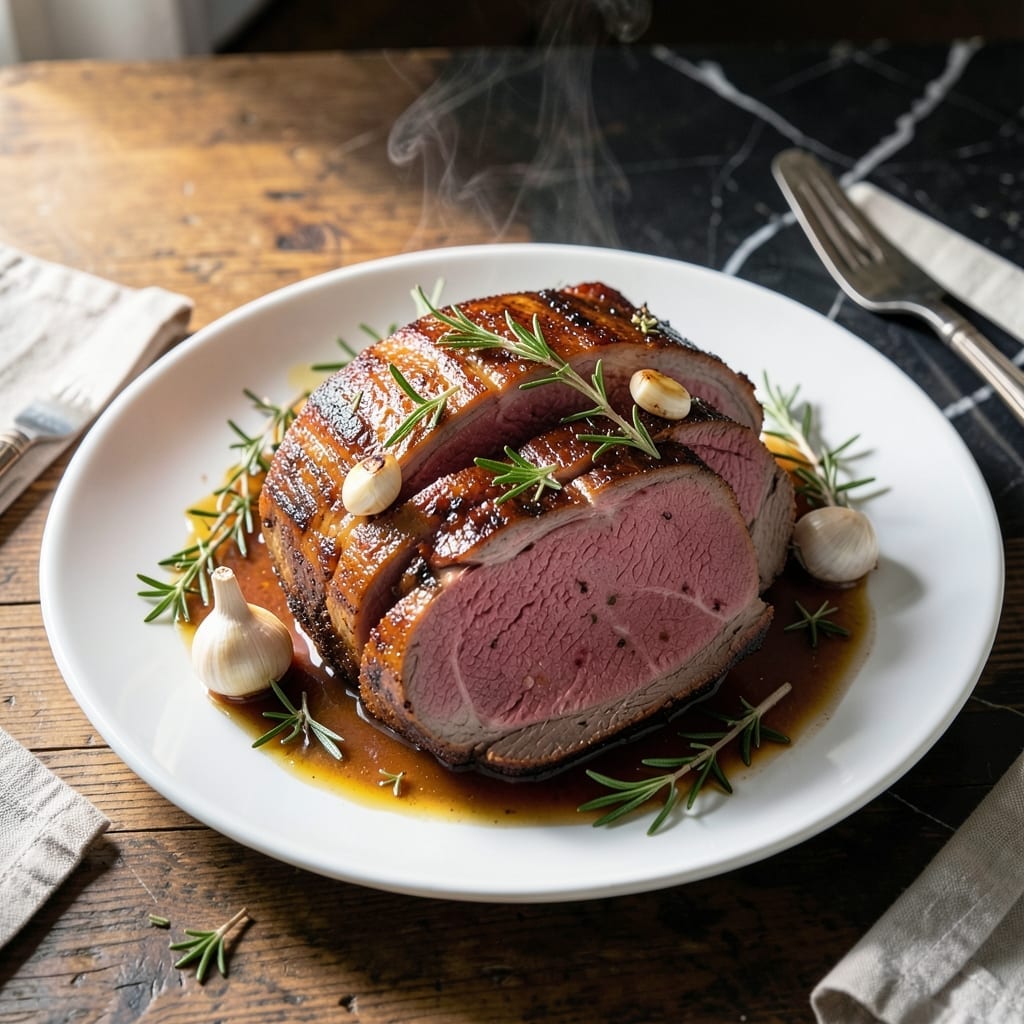
This reverse sear method transforms prime rib into a masterpiece with a perfectly pink center every time. The high-heat start creates a flavorful crust while the gentle finish ensures even cooking throughout.
I developed this technique after years of experimenting with different approaches, and it consistently delivers restaurant-quality results. The 500°F oven stage is crucial for developing that rich, caramelized exterior we all crave.
What emerges is tender, juicy prime rib with a perfect medium-rare interior and a deeply browned crust. The reverse sear eliminates the guesswork that comes with traditional roasting methods.
Serve with horseradish cream and roasted vegetables for a complete meal. This method works for any size roast with equally impressive results.
Ingredients for Prime Rib Roast Recipe 500 Degree Oven
Prime rib plus aromatic herbs create this showstopping roast with minimal effort.
| Ingredient | Amount | Notes |
|---|---|---|
| Prime Rib Roast 🥩 | 4 lb | Bone-in, well-marbled preferred |
| Kosher Salt 🧂 | 2 tbsp | Diamond Crystal brand recommended |
| Freshly Ground Black Pepper 🌶️ | 2 tsp | Coarse grind for texture |
| Garlic Cloves 🧄 | 6 cloves | Smashed, not minced |
| Fresh Rosemary Sprigs 🌿 | 4 whole | Woody stems for roasting |
| Fresh Thyme Sprigs 🍃 | 4 whole | Optional but recommended |
| Olive Oil 🫒 | 2 tbsp | Extra-virgin for richness |
| Unsalted Butter 🧈 | 4 tbsp | Room temperature for basting |
| Red Wine 🍷 | 1 cup | Dry variety for deglazing |
| Beef Stock 🥩 | 1 cup | Low-sodium preferred |
| Horseradish Root 🌿 | ¼ cup | Freshly grated for cream |
| Heavy Cream 🥛 | ½ cup | For horseradish sauce |
The prime rib quality is non-negotiable. USDA Prime grade ensures optimal marbling and tenderness, though Choice works acceptably. Source from Whole Foods or a trusted butcher—ask for bone-in, as it enhances flavor and presentation. The fat cap should be at least 1/4 inch thick for proper crust development. For the herbs, fresh rosemary and thyme are essential; dried simply won’t deliver the same aromatic intensity during roasting.
No red wine? Beef broth with 1 tbsp balsamic vinegar provides similar depth. Fresh horseradish unavailable? Prepared horseradish at half the quantity works, though the fresh version offers superior pungency. The butter can be omitted for a leaner crust, but it contributes significantly to the Maillard reaction. For the stock, homemade is ideal, but quality store-bought from Bonafide Provisions is a solid alternative.
The roast can rest at room temperature for 1 hour before carving, allowing juices to redistribute. Leftovers keep 4-5 days refrigerated or freeze for 3 months. For best results, slice against the grain and reheat gently in au jus to prevent drying.
Why You’ll Love This Recipe
- Set It and Forget: That 500-degree blast does all the work—I just season, pop it in, and let the oven handle the rest.
- Rosemary Garlic Heaven: The rosemary and garlic form this insane crust that’s salty, herby, and just the right amount of garlicky.
- Sunday or Thursday: Honestly, I serve this for holiday dinners and random weeknights with equal success.
- Sandwich Reinvention: Leftovers? The cold slices make next-day sandwiches that taste even better than the first meal.
Step-by-Step Instructions for Prime Rib Roast 500 Degree Oven
This reverse sear method guarantees a perfect medium-rare result with a beautiful crust.
Step 1: Season and Prep the Prime Rib Roast
Pat the 4 lb Prime Rib Roast dry with paper towels, ensuring all surfaces are completely dry. This step is crucial for achieving a proper sear later. Rub the roast evenly with the 2 tbsp Kosher Salt and 2 tsp Freshly Ground Black Pepper, pressing gently to adhere.
Using a sharp knife, make small slits in the fat cap and insert the 6 cloves Garlic Cloves, 4 whole Fresh Rosemary Sprigs, and 4 whole Fresh Thyme Sprigs deep into the meat. Drizzle the 2 tbsp Olive Oil over the roast, massaging it into every crevice. Let it sit at room temperature for 1 hour before cooking.
Step 2: Low-Temperature Roast for Even Cooking
Preheat your oven to 250°F. Place the roast fat-side up on a wire rack set in a roasting pan. This setup allows for even air circulation. Insert a meat thermometer into the thickest part of the roast, avoiding bone and fat.
Roast until the internal temperature reaches 115-120°F for medium-rare, which should take approximately 1.5 to 2 hours. The low and slow method ensures the roast cooks evenly from edge to center without overcooking the outer layers.
Step 3: High-Heat Sear for a Perfect Crust
Increase the oven temperature to 500°F. Once fully preheated, return the roast to the oven for 10-15 minutes to develop a deep, flavorful crust. Watch closely to prevent burning—the exterior should be deep brown and crispy.
If the herbs begin to char, tent the roast loosely with foil. The high heat will bring the internal temperature up to 130°F, perfect for medium-rare. This step is what gives the prime rib its signature texture contrast.
Step 4: Rest and Prepare Horseradish Cream
Transfer the roast to a cutting board and tent with foil. Let it rest for 20-30 minutes—this allows the juices to redistribute for maximum tenderness. While resting, prepare the horseradish cream by combining the 0.25 cup Horseradish Root (freshly grated) with the 0.5 cup Heavy Cream.
Place the roasting pan on the stovetop over medium heat. Add the 1 cup Red Wine and 1 cup Beef Stock, scraping up the browned bits to create a pan sauce. Simmer for 5-7 minutes until slightly reduced, then whisk in the 4 tbsp Unsalted Butter for a glossy finish.
Pro Tips For Making Prime Rib Roast Recipe 500 Degree Oven
- Preheat Thoroughly: I learned this the hard way—your oven needs a full 30 minutes at 500°F before the roast goes in, otherwise that initial sear won’t form properly.
- Dry the Surface: Pat the prime rib completely dry with paper towels before seasoning; any moisture steams the meat instead of letting that high heat create a crust.
- Skip the Cold Roast: Take the roast out of the fridge 1-2 hours before cooking so it starts closer to room temp—this guarantees even cooking at such a high initial temperature.
- Crush the Garlic: Smash the garlic cloves slightly before nestling them into slits in the meat; it releases more flavor without overpowering the rosemary and black pepper.
Common Mistakes When Making This Dish
Uneven Seasoning
Don’t just sprinkle 2 tbsp Kosher Salt and 2 tsp Freshly Ground Black Pepper on top—rub it into every surface, including the sides and ends. I learned this the hard way when my first roast had perfect top flavor but bland edges. 🌶️
Skipping the Dry
Pat the 4 lb Prime Rib Roast completely dry before seasoning. Moisture prevents proper browning and can steam the meat instead of searing it. Use paper towels and be thorough.
Rushing the Rest
Let the roast sit at room temperature for 1 hour after seasoning. Cold meat cooks unevenly, and the spices need time to penetrate. This step is non-negotiable for even cooking.
Overlooking the Thermometer
Never rely on time alone—use a meat thermometer. Pull the roast at 115-120°F for medium-rare. I use a ThermoWorks probe for accuracy. The 500°F sear will finish it perfectly.
Forgetting the Rack
Always place the roast on a wire rack in the pan. Without it, the bottom steams instead of browning. A sturdy roasting rack ensures even air circulation for that perfect crust. 💡
Ignoring the Herbs
Insert the 6 cloves Garlic Cloves, 4 whole Fresh Rosemary Sprigs, and 4 whole Fresh Thyme Sprigs deep into slits in the fat cap. Surface herbs burn easily and won’t infuse flavor as effectively.
Nutrition Facts
Frequently Asked Questions
Why start with a low temperature?
The 250°F beginning ensures even cooking throughout the 4 lb roast. This prevents the outer layers from overcooking while the center reaches the desired doneness.
How do I know when it’s done?
Use a meat thermometer and pull the roast at 115-120°F internal temperature. The final 500°F sear will bring it to perfect medium-rare at 130°F.
Can I skip the resting time?
No, resting for 20-30 minutes is crucial. It allows juices to redistribute, ensuring every slice is tender and flavorful. Skipping this step can result in a dry roast.
What if my herbs start to burn?
Tent the roast loosely with foil during the 500°F sear. This protects the herbs while still allowing the crust to develop properly.

- Pudding Recipe With Egg Yolks: Silky Smooth Custard in Minutes - November 3, 2026
- Pudding Pops Recipe Cook and Serve: Silky Frozen Treats Without the Machine - November 3, 2026
- Protein Ice Cream Recipe Blender Xanthan Gum: Ultra Creamy Texture Without the Guilt - November 3, 2026