
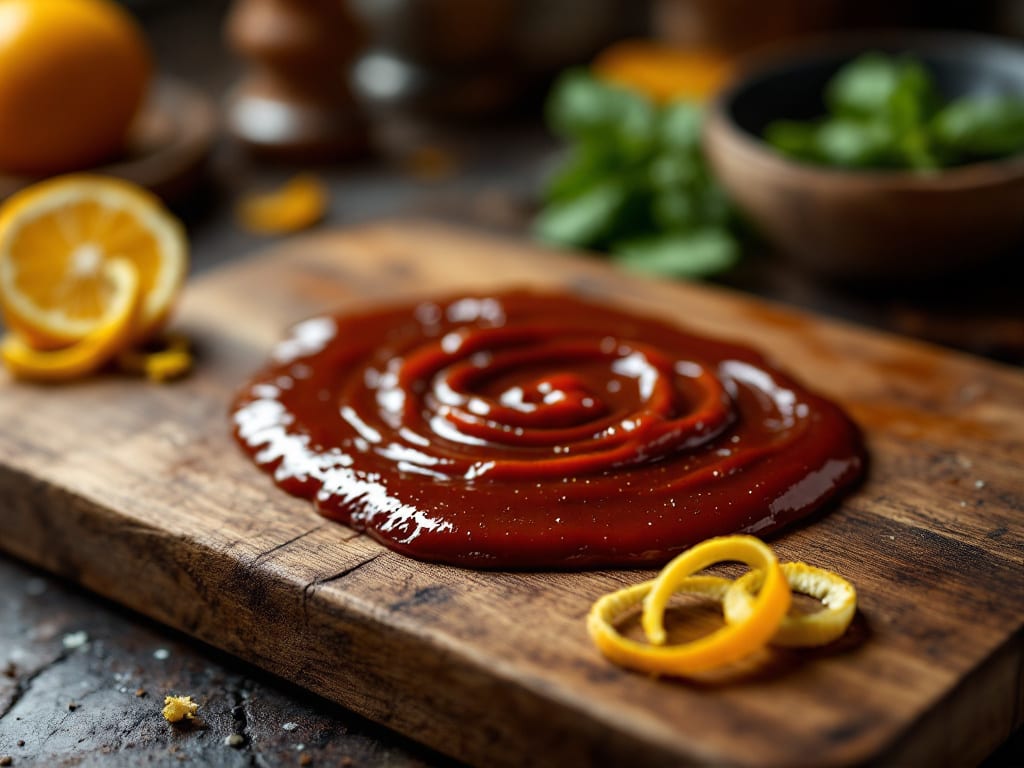
Creating a slim sauce recipe that delivers bold flavor without the heaviness is the secret weapon I’ve perfected for grilled proteins—this drizzle transforms every bite into a lighter, more vibrant experience.
The magic lies in balancing tangy, umami-rich ingredients with a touch of acidity, ensuring it cuts through rich meats while keeping calories in check. I developed this after realizing most restaurant sauces were far too heavy for modern, health-conscious dishes, yet still craved that restaurant-quality depth.
What makes this sauce truly versatile is its ability to elevate grilled chicken, fish, or even roasted vegetables without overwhelming them. A 5-ingredient base—including Greek yogurt for creaminess and a splash of lemon for brightness—creates a silky texture that clings beautifully while staying light.
The sauce also doubles as a zesty dipping option, making it perfect for meal prep or last-minute entertaining when you need something quick but impressive.
By the time you drizzle this over your finished protein, you’ll notice the difference immediately: a tangy, herbaceous finish that enhances natural flavors rather than masking them. The sauce remains stable even when reheated, so it works just as well on cold salads or as a post-grill finish.
It’s the kind of condiment that turns simple grilled meats into a standout centerpiece without the guilt.
The beauty of this recipe is its adaptability—add a pinch of chili flakes for heat, a drizzle of honey for sweetness, or fresh herbs for extra freshness. Once you master the base, you can tweak it endlessly to match any dish or dietary preference.
Let’s get started with the ingredients and technique that make this sauce a game-changer for your table.
Ingredients for slim sauce
Five simple ingredients transform into a restaurant-quality drizzle that keeps calories low.
| Ingredient | Amount | Notes |
|---|---|---|
| Plain Greek Yogurt 🥛 | ¾ cup | Full-fat for creaminess, unsweetened |
| Extra-Virgin Olive Oil 🫒 | ½ cup | Light, fruity variety preferred |
| Fresh Lemon Juice 🍋 | 2 tbsp | Freshly squeezed, no pulp |
| Dijon Mustard 🍯 | 1 tbsp | Mild or medium heat preferred |
| Garlic Cloves 🧄 | 2 cloves | Freshly minced, no cooking |
| Fresh Dill 🌿 | ¼ cup | Chopped, stems removed |
| Sea Salt 🧂 | ½ tsp | Fine grain preferred |
| Black Pepper 🌶️ | ¼ tsp | Freshly ground preferred |
| Red Wine Vinegar 🍷 | 1 tbsp | For brightness, optional |
The Greek yogurt is the secret weapon here—full-fat Fage or Chobani gives the best texture without heaviness. Trader Joe’s and Whole Foods carry excellent options, but any plain, unsweetened works. Fresh dill is ideal, but dried dill at one-third the amount works in a pinch (though fresh is brighter). The olive oil matters too—avoid ‘light’ oils that lack flavor. California Olive Ranch or Colavita are solid choices if you want to splurge. For the garlic, peel and mince it fresh—jarred minced garlic has a metallic aftertaste that ruins the sauce.
No red wine vinegar? White wine vinegar or apple cider vinegar both work, though red adds a subtle depth. Short on dill? Fresh parsley or basil can stand in, but the flavor will shift slightly. The Dijon mustard adds that umami punch—Maille is the gold standard, but any good-quality brand will do. For extra tang, add another tablespoon of lemon juice. This sauce is naturally versatile: add a pinch of smoked paprika for depth or honey for sweetness—just remember to balance flavors after each addition.
This sauce keeps beautifully—up to 5 days in the fridge sealed tightly. For longer storage, divide into ice cube trays, freeze, then transfer to a bag. Thaws in minutes and reheats perfectly. The texture stays silky when reheated gently, so it’s ideal for drizzling over warm proteins. If the sauce separates slightly after refrigeration, just give it a quick whisk before using. One batch easily covers 4-6 servings, so double it if you’re feeding a crowd.
Why You’ll Love This Recipe
- Here’s what sold me: I already had all the ingredients, and it didn’t cost me a dime extra. A little goes a long way, so I make a big batch and keep it in the fridge for up to five days. (Yes, even on a Tuesday night.) It’s the kind of recipe that makes grocery shopping feel like a win.
- Five-Ingredient Magic: I swear, this sauce comes together while you’re still debating what to eat for lunch. Just Greek yogurt, olive oil, lemon juice, mustard, and garlic—no fancy gadgets, no waiting for anything to marinate. Honestly, I’ve made it in my kitchen with one hand tied behind my back.
- Tangy Zing: That lemon juice and Dijon mustard combo? Chef’s kiss. It’s bright, sharp, and just a little funky—like a hug for your taste buds. The olive oil smooths it out, but the garlic? Oh, it lingers in the best way, especially when drizzled over grilled chicken or roasted veggies.
- Weeknight Wonder: This sauce is my go-to for everything: a quick salad, a bowl of soup, or even as a dip for crudités when I’m too tired to cook. Between us, it’s the secret weapon that turns boring meals into something that feels intentional—no stress, just flavor.
Step-by-step instructions for lightweight drizzle sauce
This bright, balanced sauce delivers restaurant-quality flavor with just a fraction of the calories.
Whisk Together the Base Ingredients
In a medium bowl, combine the 0.75 cup plain Greek yogurt with the 0.5 cup extra-virgin olive oil. Use a whisk to blend until completely smooth—this emulsifies the fat and yogurt for a silky texture. The mixture should look like thick, pale mayonnaise with no visible streaks of oil.
Add the 2 tablespoons fresh lemon juice and 1 tablespoon Dijon mustard next. Whisk vigorously for 30 seconds until fully incorporated. The lemon juice brightens the sauce while the mustard adds subtle depth. Here’s the thing—don’t rush this blending. Any lumps will become noticeable once you add the fresh herbs.
Incorporate Garlic and Seasonings
Finely mince the 2 cloves garlic using a microplane or sharp knife—you want a paste-like consistency, not coarse chunks. Add this to the yogurt mixture along with the 0.5 teaspoon sea salt and 0.25 teaspoon black pepper. Stir with a rubber spatula until the garlic is completely distributed and the seasonings dissolve.
This is where the flavor really starts to develop. The garlic should be well incorporated but not overpowering—you’ll taste it more as the sauce sits for a few minutes. If you’re using the optional 1 tablespoon red wine vinegar, add it now and stir gently. The vinegar adds a pleasant tang that cuts through the richness of the olive oil.
Fold in Fresh Dill for Herbal Brightness
Chop the 0.25 cup fresh dill into fine pieces, removing any tough stems. Gently fold the dill into the sauce using a spatula, working in small batches to maintain an even distribution. You want the herbs to be visible but not clumpy—this ensures every drizzle delivers that fresh, garden-fresh flavor.
Taste the sauce at this stage. It should be tangy, slightly garlicky, and herbaceous with a clean finish. If it needs more brightness, add another ½ teaspoon lemon juice. For extra richness, incorporate another 1 tablespoon olive oil. The sauce should coat the back of a spoon but remain pourable—this is your target consistency for that perfect lightweight drizzle.
Rest and Adjust for Perfect Texture
Cover the bowl with plastic wrap and let the sauce rest at room temperature for 15-20 minutes. This resting period allows all the flavors to meld together while the yogurt and oil fully emulsify. You’ll notice the sauce becomes slightly thicker as it sits—this is normal and actually improves the texture.
After resting, give the sauce one final taste. If it needs more acidity, add another ½ teaspoon lemon juice. For more body, whisk in another 1 tablespoon olive oil. The sauce should now be perfectly balanced—bright, herby, and just rich enough to cling beautifully to grilled proteins without overwhelming them.
Pro Tips For Making Slim Sauce
- Whisk the Yogurt First: Stir the Greek yogurt with a fork until it’s smooth and lump-free before adding anything else. I learned this the hard way—skipping this step means you’ll end up with a sauce that’s clumpy no matter how much you whisk later. Takes 30 seconds, saves you from frustration.
- Roast the Garlic: Toss minced garlic in a dry pan over medium heat for 30 seconds until fragrant—this deepens its flavor without burning. Fresh garlic can taste sharp raw, and this trick makes the sauce taste richer. (Yes, even if you’re impatient like me.)
- Measure the Lemon Juice: Use a scale or measuring spoon for the lemon juice—eyeballing it leads to a sauce that’s either too tart or bland. Aim for about 1 tablespoon per ½ cup yogurt, then adjust to taste. Your future self will thank you for not guessing.
- Thin Gradually with Oil: Start with just 1 teaspoon of olive oil, then add more as needed while tasting. Dumping in too much at once turns the sauce greasy, and you can’t fix it by adding more yogurt. Build it in small steps—this is where the balance happens.
Perfect pairings for this dish
Grilled Protein Pairings
This sauce is a game-changer for grilled chicken, fish, and pork—its tangy brightness cuts through rich meats beautifully. For grilled lemon-herb chicken, drizzle 1-2 tablespoons over each breast right before serving. The Greek yogurt base adds a subtle creaminess that balances the smoky char.
For salmon or trout, use 1 tablespoon per fillet—the lemon and dill complement the fish’s natural oils perfectly. 🌿
Vegetable Drizzles
Don’t limit this sauce to proteins—it’s fantastic on roasted or grilled vegetables too. Toss asparagus, zucchini, or Brussels sprouts with 1 tablespoon sauce and a pinch of smoked paprika for a quick side dish.
The acidity in the sauce helps tenderize slightly under the grill, while the herbs add freshness. For extra depth, add ½ teaspoon honey to the sauce before drizzling over grilled eggplant or bell peppers.
Dipping Sauce Magic
Transform this into a dip for grilled shrimp skewers, falafel, or veggie sticks by thinning it slightly with 1-2 teaspoons water for a pourable consistency. The tangy, herby profile makes it ideal for Mediterranean-style appetizers.
For a spicy kick, mix in ½ teaspoon cayenne pepper or a dash of hot sauce—I love Cholula for its smoky heat. Serve with warm pita bread or crispy fries for a crowd-pleasing appetizer.
Salad Enhancer
Brighten up grain bowls or green salads by drizzling 1-2 tablespoons over the top. It pairs exceptionally well with quinoa, farro, or mixed greens—the lemon and dill add a refreshing contrast to hearty ingredients like roasted sweet potatoes or avocado.
For extra flair, sprinkle with toasted pine nuts or crumbled feta cheese to add crunch and saltiness. This makes an excellent cold salad dressing too if you thin it with a splash of water.
Breakfast Twist
Start your day with this sauce as a yogurt bowl topping—drizzle over Greek yogurt parfaits with granola and berries for a tangy, herby contrast. It also elevates avocado toast by adding brightness and depth.
For a savory breakfast, spread it on toasted bagels with smoked salmon and capers. The acidity in the sauce cuts through the richness of the fish beautifully. 💫
Global Flavor Adaptations
Elevate international dishes with this versatile sauce. For Middle Eastern-style grilled meats, swap the dill for fresh mint and parsley and add 1 teaspoon ground cumin.
For Asian-inspired dishes, replace the lemon juice with 1 tablespoon rice vinegar and add 1 teaspoon grated ginger and ½ teaspoon sesame oil. The base remains the same, but the flavor profile transforms completely—proof of how adaptable this sauce truly is.
Nutrition facts
Frequently asked questions
Can I make this sauce without Greek yogurt?
Yes! For a dairy-free version, swap the Greek yogurt with ½ cup unsweetened coconut yogurt or ¼ cup silken tofu blended until smooth. The texture will be slightly lighter, but the tangy, herby flavor remains. For extra richness, add 1 tablespoon tahini to help emulsify the sauce.
How do I fix a sauce that separated after refrigeration?
No problem! Simply whisk the sauce vigorously for 30-60 seconds until smooth. If it still separates, add 1 teaspoon Dijon mustard or lemon juice and whisk again. The yogurt and oil will re-emulsify, restoring that silky texture. This is normal and happens when fats and proteins settle—just give it a quick stir before using.
What’s the best way to store and reheat this sauce?
Store in an airtight container in the fridge for up to 5 days. For longer storage, freeze in ice cube trays—thaw overnight in the fridge. Reheat gently in a saucepan over low heat or microwave in 10-second bursts, stirring between each. Avoid boiling to prevent separation.
Can I make this sauce spicier or sweeter?
For heat, stir in ½ teaspoon cayenne or 1 teaspoon hot sauce. For sweetness, add ½ teaspoon honey or maple syrup. Always taste as you go—balance is key! The sauce’s tangy base handles bold flavors beautifully, so experiment fearlessly.
Is this sauce safe for people with dairy allergies?
Not in its original form, but it’s easy to adapt! Replace the Greek yogurt with ½ cup dairy-free yogurt (like coconut or almond yogurt) or ¼ cup blended silken tofu. The sauce will have a lighter texture but still deliver that bright, herby flavor. Always check labels to ensure no cross-contamination.

- Beetroot Pizza Recipe: Vibrant Purple Sauce with Crispy Crust - November 29, 2026
- White Peppered Gravy Recipe: Silky-Smooth Sauce for Roasted Meats - November 29, 2026
- James Martin’s Cottage Pie Recipe: Flaky Pastry Over Hearty Beef Filling - November 29, 2026