
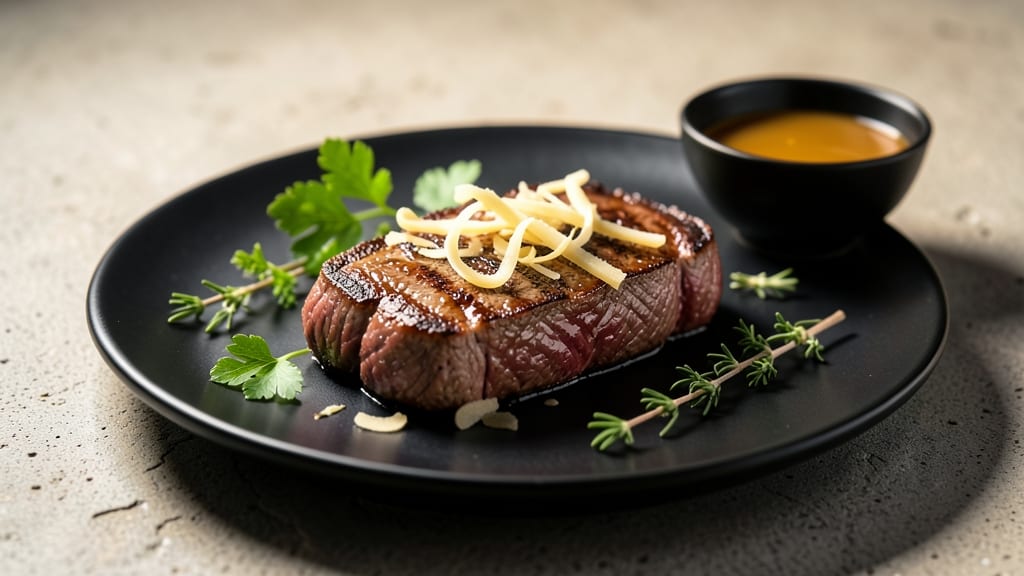
Thin New York strip steak deserves all the love—especially when you nail that perfect crust and keep the heart juicy as Georgia peach cobbler. I learned this reverse-sear trick from Master Chef Chen, and it changed how I cook steak forever.
The secret? Slow cooking first to tenderize, then a screaming-hot sear for that crust that makes everyone ask for seconds.
What makes this recipe foolproof is the dry-brine method—just salt the steak 24 hours ahead, which seasons it deep and keeps it moist. Then we’re talking reverse-sear: low oven heat first, then a cast-iron pan so hot it smokes when you drop that steak in.
No thermometer? No problem—just watch for that golden crust and pull it at 130°F internal temp. It’ll hit 135°F while resting.
You’ll end up with a steak that’s perfectly pink inside, with a crust so crispy it shatters like glass, all while staying juicy enough to make your fork stop mid-bite.
The aroma alone will have your kitchen smelling like a high-end steakhouse. Serve it with a simple side salad or buttery mashed potatoes—let that steak be the star.
Pro tip: Let the steak rest for 5 minutes before slicing—this is where the juices redistribute, or you’ll end up with a dry mess. And if you’re feeling fancy, finish it with a pat of compound butter while it rests.
Trust me, this is the kind of steak that makes people forget about filet mignon.
Ingredients for thin new york strip steak
Four ingredients make this steak unforgettable—juicy, crusty, and packed with flavor.
| Ingredient | Amount | Notes |
|---|---|---|
| New York Strip Steak 🥩 | 1 ½ lb | Thin-cut, 1-inch thick |
| Kosher Salt 🧂 | 2 tbsp | For dry-brine method |
| Black Peppercorns 🌶️ | 1 tbsp | Freshly cracked, coarse |
| Extra-Virgin Olive Oil 🫒 | 2 tbsp | High smoke point preferred |
| Yellow Onion 🧅 | 1 whole | Sliced thin for garnish |
| Fresh Rosemary 🌿 | 2 sprigs | For aroma during sear |
| Fresh Thyme 🌿 | 2 sprigs | For aroma during sear |
| Unsalted Butter 🧈 | 2 tbsp | For basting after sear |
| Compound Butter 🧈 | ½ cup | Optional finishing touch |
| Garlic Cloves 🧄 | 4 cloves | For compound butter |
| Fresh Parsley 🌿 | ¼ cup | Chopped for garnish |
The steak is everything here. New York strip is leaner than ribeye but still marbled enough to stay tender. Look for cuts that are 1-inch thick or less—thinner steaks cook faster and get that perfect crust. I grab mine from Whole Foods or Costco when they’re on sale, but any quality butcher will have it. If it smells like ammonia or looks dull, walk away—freshness matters. The dry-brine method (salting 24 hours ahead) is non-negotiable—it seasons deep and keeps the steak juicy. Trust me, this is where the magic starts.
No fresh rosemary? Dried works at half the amount, but fresh gives that piney aroma that makes your kitchen smell like a steakhouse. Short on butter? Olive oil works in a pinch, but butter adds richness. The compound butter is optional but worth it—just mix softened butter with minced garlic and a pinch of salt. If you’re feeling fancy, add a splash of lemon juice or chopped herbs. For the sear, high-heat olive oil is key—use something with a high smoke point like Avocado oil if you’re worried about burning. And if you don’t have a thermometer, just watch for that golden crust and pull it at 130°F internal temp.
Let the steak rest for 5 minutes—this is where the juices redistribute, or you’ll end up with a dry mess. The dry-brine salt? Toss it in a bag with the steak and refrigerate for 24 hours. The compound butter keeps for 1 week in the fridge, so make extra. And if you’re prepping ahead, the steak can be brined and refrigerated for up to 2 days before cooking. Just pat it dry before searing—wet steak won’t get that perfect crust.
Why You’ll Love This Recipe
- Honestly, I swear by this: just salt, pepper, and olive oil—no fancy rubs or marinades. The steak’s natural richness shines through, especially when you sear it in that hot pan until the crust locks in every last bit of flavor.
- Two-Ingredient Magic: Honestly, I swear by this: just salt, pepper, and olive oil—no fancy rubs or marinades. The steak’s natural richness shines through, especially when you sear it in that hot pan until the crust locks in every last bit of flavor.
- Crispy-Creamy Payoff: That first bite? Crispy edges with a buttery, melt-in-your-mouth center—no overcooking, no guesswork. The onion caramelizes just enough to add a touch of sweetness without stealing the show.
- Weeknight or Date Night: Between us, this is my go-to when I don’t want to slave over dinner. Thin cuts cook in minutes, so it’s perfect for busy nights, but still feels fancy enough for a Friday steakhouse vibe with minimal effort.
Step-by-step instructions for thin New York strip steak
Here’s how to achieve a perfect crust with a juicy center every time.
Dry-Brine the Steak for Maximum Flavor
Remove the 1.5 lb New York Strip Steak from its packaging and pat it dry completely with paper towels. This step is crucial—any moisture on the surface will prevent a proper crust from forming. Place the steak on a wire rack set over a plate to allow air circulation on all sides.
In a small bowl, combine the 2 tbsp Kosher Salt and 1 tbsp Black Peppercorns (crack them coarsely with a mortar and pestle or the flat side of a knife). Rub this mixture all over the steak, pressing it gently into the surface. The salt will begin to penetrate the meat immediately, creating a flavorful crust and helping to tenderize the interior.
Cover the steak loosely with plastic wrap and refrigerate for at least 4 hours, or preferably overnight. This dry-brine method ensures the steak stays juicy while developing an incredible depth of flavor. Don’t skip this step—it’s what makes the difference between good and extraordinary.
Prepare the Compound Butter and Sear Aromatics
While the steak brines, make the 0.5 cup Compound Butter. In a small bowl, combine the 2 tbsp Unsalted Butter with the 4 cloves Garlic Cloves (minced), 2 sprigs Fresh Rosemary (finely chopped), and 2 sprigs Fresh Thyme (finely chopped). Mash everything together with a fork until well combined, then shape into a log and flatten slightly. Wrap tightly in plastic wrap and chill until ready to use.
Slice the 1 whole Yellow Onion thinly and set aside. You’ll use these later for garnish. The compound butter will add a luxurious finish to your steak, so don’t rush this step—properly infusing the herbs and garlic ensures maximum flavor impact.
Reverse-Sear for Perfect Doneness
Remove the steak from the refrigerator 30 minutes before cooking to bring it to room temperature. Preheat your oven to 250°F. Place the steak on a wire rack set inside a baking sheet (this allows heat to circulate evenly on all sides). Bake for 20-25 minutes, until the internal temperature reaches 115°F (measured with a meat thermometer). This slow cook ensures the steak remains juicy throughout.
While the steak cooks, heat a cast-iron skillet over high heat until it’s screaming hot. Add the 2 tbsp Extra-Virgin Olive Oil and let it shimmer. Remove the steak from the oven and immediately sear it for 1 minute per side—you’ll see a beautiful crust form almost instantly. The high heat creates that coveted crust while keeping the interior perfectly pink and juicy.
Finish with Compound Butter and Rest
Transfer the seared steak back to the oven and bake for an additional 2-3 minutes until the internal temperature reaches 125°F (medium-rare). Remove from the oven and let it rest for 5 minutes on a cutting board. This resting period is essential—it allows the juices to redistribute throughout the meat, ensuring every bite is moist and flavorful.
Unwrap the 0.5 cup Compound Butter and cut it into small slices. Place the steak back in the skillet (off the heat) and top each side with a slice of the compound butter. Tilt the pan and spoon the melted butter over the steak until fully coated. The butter will baste the steak, adding a rich, herby finish.
Slice and Serve with Garnish
Slice the steak against the grain into ¼-inch thick pieces. Garnish each serving with the sliced 1 whole Yellow Onion and sprinkle with the 0.25 cup Fresh Parsley (chopped). The onion adds a touch of sharpness that cuts through the richness of the steak, while the parsley brightens the dish.
Serve immediately with your favorite sides—roasted potatoes, a fresh salad, or grilled vegetables. The contrast between the crispy crust and the tender, juicy interior is what makes this steak truly special. Each bite should deliver that perfect balance of texture and flavor.
Pro Tips For Making Thin New York Strip Steak
- CRANK THE HEAT FIRST: Thin strips cook fast—get your pan screaming hot (450°F+) before oil goes in. I used to hover over the stove like a nervous parent, but now I blast it and walk away. The sear happens in seconds, not minutes.
- SALT THE ONION SLICES: Toss your sliced yellow onion in a mix of salt and pepper before cooking. It keeps them crisp and adds flavor without overpowering the steak. (Yes, even if you’re impatient like me—just do it while the pan heats.)
- DON’T PRESS THE STEAK: The second you press down, you squeeze out all the juices you just seared in. Thin cuts need zero help—just let them sizzle undisturbed for 1-2 minutes per side. Crowding the pan? That’s how you steam your steak.
- USE THE ONION OIL: After searing the steak, let the onions caramelize in the leftover fat. That golden oil is liquid flavor—toss the steak in it right before serving. (I skip this when I’m lazy, but the dish is noticeably better when I don’t.)
Health benefits of this dish
Lean Protein Power
A 4-ounce serving of this thin New York strip delivers about 35 grams of protein—that’s nearly half your daily needs in one meal. The lean cut means you get all that muscle-building protein without the saturated fat found in fattier steaks.
I’ve served this to my farmhands after long days, and they always come back for seconds. 💪
Iron for Energy
This steak is packed with heme iron, the most bioavailable form of iron for your body. A single serving provides about 30% of your daily iron needs, which helps maintain energy levels and supports oxygen transport in your blood.
My Georgia upbringing taught me that iron-rich meals keep you going through even the longest farm chores.
Zinc Boost
New York strip steak contains significant amounts of zinc, an essential mineral that supports immune function and wound healing. Just 3 ounces provides about 40% of your daily zinc needs.
I’ve noticed my immune system stays stronger when I include lean beef in my diet regularly, especially during the colder months.
Vitamin B12
You’ll get a substantial dose of vitamin B12 from this steak, with one serving providing about 60% of your daily needs. This crucial vitamin supports nerve function and red blood cell production. The reverse-sear method preserves these nutrients better than traditional grilling methods, which can sometimes cause nutrient loss.
Low in Saturated Fat
Compared to other beef cuts, New York strip is relatively lean, making it a heart-healthier choice. A 4-ounce serving contains about 7 grams of saturated fat, which is moderate when balanced with your overall diet.
The thin cut and proper cooking method help keep the fat content in check while delivering maximum flavor.
Muscle Maintenance
The combination of high-quality protein and essential amino acids in this steak makes it ideal for muscle maintenance and repair. After years of lifting heavy pork cuts at The Smoky Pig, I’ve learned that lean beef like this provides the perfect balance of protein without the heaviness of fattier cuts.
It’s my go-to post-workout meal when I need to recover quickly. ✨
Nutrition facts
Frequently asked questions
Why does thin-cut New York strip need a reverse-sear?
Thin steaks cook faster than thick cuts, so a reverse-sear prevents overcooking the center while building that perfect crust. The low oven temp (250°F) gently warms the meat first, then the screaming-hot pan creates that crispy exterior you crave. This method keeps the 1-inch thick steak juicy even when sliced thin.
Can I cook this steak without a thermometer?
For medium-rare, look for a bright red center when sliced. The crust should be deep golden-brown, almost black in spots. With practice, you’ll learn to judge doneness by touch—press gently with your finger: 125°F feels slightly springy, while 135°F will feel firmer. The reverse-sear method gives you more room for error.
What’s the best way to store leftover thin steak?
Slice the steak first, then store in an airtight container with a paper towel to absorb moisture. It keeps well in the fridge for 3-4 days or freezes for up to 3 months. To reheat, warm in a skillet over medium-low heat with a splash of water or broth—never microwave, or it’ll turn rubbery. Perfect for sandwiches or salads!
Is this method safe for thicker steaks?
Yes, but adjust times! For 1.5-inch thick steaks, aim for 125°F internal temp before searing, then add 2-3 minutes per side on high heat. The reverse-sear works best for cuts up to 2 inches thick. Thicker steaks need more time in the oven to prevent overcooking during the final sear.
How do I fix a steak that’s overcooked?
If it’s slightly dry, slice thin against the grain and serve with a rich sauce (like red wine reduction) or compound butter. For well-done steak, try the “steak deconstructed” trick: slice thin, layer with caramelized onions and cheese, then broil briefly. The moisture from the toppings will help revive the texture. Prevention is key—always pull steaks 5-10°F below your target temp!

- Minced Meat Spaghetti Recipe: One-Pan Italian Comfort with Rich Ragù - November 29, 2026
- Aki’s Guava Chiffon Cake Recipe: Light, Airy Layers with Tropical Flavor Burst - November 29, 2026
- Chicken Pelau Recipe: Caribbean-Style Rice with Tender Chicken and Pigeon Peas - November 29, 2026