
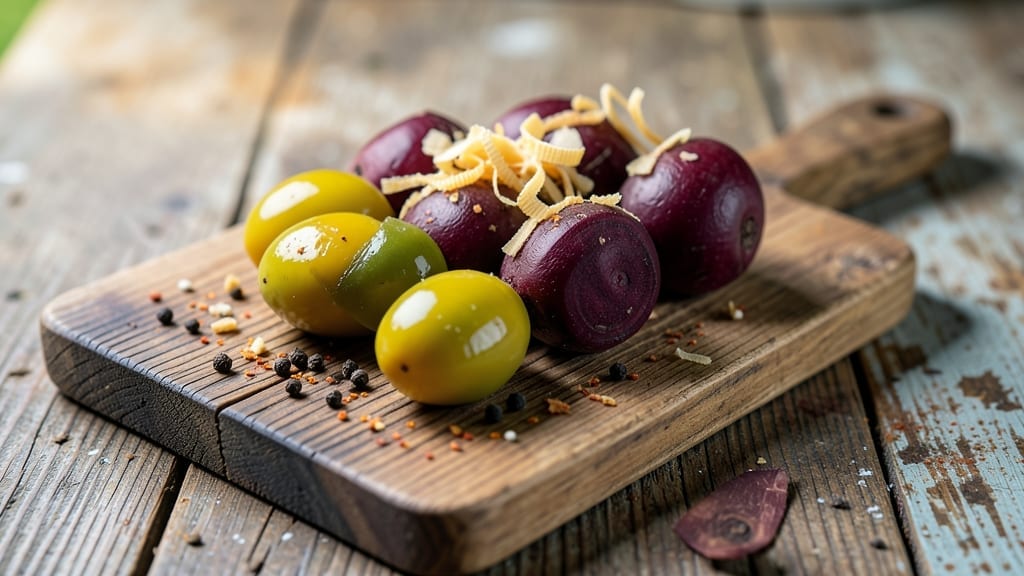
This Amish pickled eggs and beets recipe delivers the perfect balance of tangy, crunchy preserves that elevate any meal—just like my Nonna’s Sicilian pickled vegetables, but with a Midwestern twist.
The secret lies in a precise vinegar brine infused with mustard seeds and dill, creating a bright, vinegar-forward flavor that keeps for months in the fridge. I first learned this method from an Amish neighbor who swore by its simplicity and versatility.
The beauty of this recipe is its two-in-one approach: eggs and beets pickle together in the same jar, saving time and space while delivering bold, contrasting textures—creamy eggs and crisp-tender beets in every bite.
The process is straightforward: hard-boil the eggs, slice the beets, and combine them in a sterilized jar with a vinegar-based brine and spices. No fancy equipment needed—just patience for the flavors to develop over time.
What you’ll end up with is a jar of vibrant, vinegar-bright preserves that add a tangy crunch to sandwiches, salads, or charcuterie boards.
The eggs stay firm and flavorful, while the beets maintain their crisp texture, making this a perfect side dish or appetizer that’s as practical as it is delicious. Ready in just 30 minutes of prep (plus curing time), this recipe is foolproof and worth making ahead.
Serve these pickled eggs and beets as a side with roasted meats, a topping for burgers, or even as a snack straight from the jar. The flavors only deepen with time, so the longer you wait to eat them, the better they taste.
Let’s get started on this classic Amish preserve!
Ingredients for amish pickled eggs and beets
Six eggs, two beets, and a jar of bright flavors—this Amish classic keeps for months.
| Ingredient | Amount | Notes |
|---|---|---|
| Large Eggs 🥚 | 6 whole | Hard-boiled, peeled, halved lengthwise |
| Medium Beets 🍠 | 2 whole | Cooked, peeled, thinly sliced |
| White Vinegar 🍶 | 2 cups | Distilled or apple cider vinegar |
| Water 💧 | 1 cup | Filtered or distilled preferred |
| Granulated Sugar 🍚 | ½ cup | White or raw cane sugar |
| Diamond Crystal Kosher Salt 🧂 | ½ cup | Not table salt—it's less dense |
| Mustard Seeds 🌶️ | 1 tbsp | Yellow or brown variety |
| Dried Dill Weeds 🌿 | 1 tbsp | Fresh dill works too (use 2 tbsp) |
| Black Peppercorns 🌶️ | 1 tsp | Crushed lightly for texture |
| Garlic Cloves 🧄 | 3 cloves | Smashed, not minced |
| Clean Quart Mason Jars 🥫 | 2 jars | With airtight lids, sterilized |
The beets are the star here, so grab the deepest red variety—they hold their color best. Trader Joe’s has great pre-cooked vacuum-sealed beets that save time, but roasting your own (wrap whole beets in foil, bake at 400°F for 1 hour) gives better texture. For the eggs, free-range or organic if you can find them—they stay firmer when pickled. I always hard-boil mine in a big pot with a pinch of salt and ice bath after cooking. The jars? Ball or Mason jars are non-negotiable—they seal tight and last years. Sterilize them by boiling lids and jars in water for 10 minutes (or run through dishwasher cycle).
No mustard seeds? Dijon mustard at 1/2 tbsp works in a pinch, but the crunch is key. Fresh dill is ideal, but dried dill works at half the amount. Running short on vinegar? Lemon juice at 1 cup changes the flavor slightly but keeps things tangy. The sugar and salt ratio is important—don’t skip either, but if you’re watching sugar, reduce to 1/4 cup. For the garlic, smash with the side of your knife—you want flavor, not paste. And if you’re feeling fancy, add a bay leaf to each jar for depth (just remove before eating).
These pickles get better with time—1 week minimum for flavor development, but they’ll keep for 6-12 months in the fridge. Store in the coldest part of your fridge, and always submerge the eggs and beets completely in the brine. The brine will separate slightly—just give it a stir before opening. For serving, I like to pull out a few slices of beet and an egg half, toss on a charcuterie board, or use as a topping for deviled eggs. The eggs stay firm for months, so no need to rush eating them!
Why You’ll Love This Recipe
- No-Fuss Assembly: I swear by this recipe because it’s actually hands-off. Hard-boil the eggs while you roast the beets—same pot, same time. The vinegar brine comes together in five minutes while you’re waiting, and honestly? That’s my kind of cooking.
- Sweet-Tart Magic: The beets caramelize into something rich and earthy, while the eggs stay tender but firm—like a perfect balance of crunch and creaminess. That sugar-vinegar brine? It’s the secret weapon that makes every bite taste fresh, even after a week.
- Picnic Perfect: Between us, this is my go-to for potlucks, church gatherings, or just a lazy Sunday. Pack the jars whole, and they’re ready to grab-and-go. No reheating needed—just open, eat, and smile. (Yes, even on a Tuesday night.)
- Pantry Goldmine: I make a big batch because it’s ridiculously budget-friendly. Eggs and beets last forever, and the brine keeps them tasting vibrant for weeks. Plus, it’s one of those dishes where leftovers feel like a treat—not a chore.
Step-by-step instructions for Amish pickled eggs and beets
Here’s how to create vibrant, crunchy preserves that’ll keep for months in your pantry.
Prepare the Brine Solution
In a medium saucepan, combine the 2 cups white vinegar, 1 cup water, 0.5 cup granulated sugar, and 0.5 cup diamond crystal kosher salt. This is your flavor base, and the sugar won’t fully dissolve yet—that’s normal. Bring the mixture to a full rolling boil over medium-high heat, stirring occasionally to help everything integrate.
Once boiling, reduce heat to medium-low and let it simmer for 5 minutes. This ensures the salt and sugar fully dissolve, creating a clear, flavorful liquid. The solution should smell tangy and slightly sweet—this is your pickling brine. Remove from heat and let it cool completely before using. I like to set it aside for about 10 minutes while I prepare the other components.
Layer Eggs and Beets in Jars
Working with one of the clean quart mason jars at a time, carefully place 3 halved large eggs (cut side down) into the bottom. Arrange them neatly so they don’t overlap. Then add 1 whole medium beet, thinly sliced, creating a layer that covers the eggs completely. Repeat this layering process in the second jar with the remaining eggs and beet slices.
Here’s the thing—pack the ingredients tightly but not forcefully. You want to maximize flavor contact while leaving room for the brine to penetrate. If any slices look loose, gently press them down with a spoon. The goal is to create even layers that’ll absorb the pickling liquid beautifully.
Add Aromatics and Seal Jars
Once your brine has cooled completely, it’s time to add the aromatic elements. In a small bowl, combine 1 tbsp mustard seeds, 1 tbsp dried dill weeds, 1 tsp black peppercorns, and 3 smashed garlic cloves. This mixture will infuse the brine with incredible depth of flavor.
Divide this spice blend evenly between your two jars, sprinkling it over the beet and egg layers. Then carefully pour the cooled brine into each jar until completely full, leaving about ½ inch headspace at the top. This prevents mold growth during storage. Wipe the jar rims clean with a damp cloth to ensure a proper seal, then secure the lids tightly.
Process and Store for Maximum Freshness
Place the sealed jars in a large pot and fill with enough water to come 1 inch above the jar tops. Bring to a gentle boil over medium heat and process for 10 minutes. This water bath sterilization ensures your preserves stay safe and flavorful for months.
Once processed, remove the jars and let them cool completely on a wire rack. You’ll hear a satisfying “ping” as the lids seal. Store in a cool, dark place for at least 2 weeks before eating—the flavors develop beautifully over time. These pickled eggs and beets will keep for 6-12 months if stored properly, making them perfect for gifts or pantry staples.
Pro Tips For Making Amish Pickled Eggs And Beets
- BOIL EGGS UNTIL COOL: Peel those eggs immediately after boiling—waiting even 10 minutes makes them slippery nightmares to work with. Run cold water over them afterward to stop the cooking and keep the whites intact.
- PEEL BEETS WHEN COLD: Roast or boil beets until they’re fork-tender, then plunge them in ice water for 5 minutes. The skins slide off like butter—no scrubbing required, and you avoid that muddy water mess.
- USE 1:1 VINEGAR TO WATER: Stick to equal parts white vinegar and water for the brine—any more vinegar makes the eggs rubbery, and less water dilutes the flavor. Measure it right; no eyeballing.
- PACK EGGS IN SINGLE LAYER: Don’t stack them in the jar—it traps air and makes the brine murky. Place eggs in one layer, then nestle beets around them. Tight but not crowded; this keeps everything crisp.
Make-ahead tips for this dish
Prep Ahead Strategy
I like to prep the eggs and beets separately a day in advance to streamline the process. Hard-boil the eggs and store them peeled in the fridge for up to 2 days—just cover them with cold water in an airtight container.
For the beets, roast them ahead of time and store in the fridge wrapped tightly in foil for 3-4 days. This way, when you’re ready to pickle, you only need to slice the beets and assemble the jars. 💡
Brine Prep Shortcut
Make the brine the night before and store it in a clean glass jar in the fridge. The flavors meld beautifully overnight, and you won’t have to wait for it to cool before assembling the jars.
Just give it a quick stir before pouring. I also like to pre-measure all the spices in small containers so they’re ready to go when I need them. 🌶️
Jar Assembly Efficiency
To save time, sterilize your jars and lids ahead of time using a dishwasher or boiling method. Keep them in a clean, dry place until ready to use.
I also like to prep all my ingredients—beets sliced, eggs halved, and spices measured—before even touching the jars. This keeps the process moving smoothly and reduces mess. 🥫
Long-Term Storage Tips
Once your jars are sealed, store them in a cool, dark pantry for up to 3 months before transferring to the fridge for longer storage. The flavors deepen over time, so if you’re making these as gifts, wait at least 4-6 weeks before giving them away.
Label your jars with the date to keep track of freshness. I always keep a jar in the fridge for easy snacking—it’s like having a tangy, crunchy treat always on hand! ❄️
Freezing for Emergency Use
If you have extra pickled eggs or beets, you can freeze them for up to 3 months. Remove them from the jar, drain well, and place in a freezer-safe bag or container.
When ready to use, thaw in the fridge overnight and reheat in the brine for 10 minutes on the stovetop. The texture won’t be as crisp, but it’s still delicious for cooking or adding to dishes. 🍴
Gifting Made Easy
These pickled eggs and beets make fantastic gifts! Assemble them in small, decorative jars and tie a ribbon around the lid. Include a handwritten note with serving suggestions and storage tips. I’ve given these as holiday gifts, and they’re always a hit—people love the tangy, crunchy combination.
Just make sure to include a note about the curing time so they know the flavors will improve over time. 🎁
Nutrition facts
Frequently asked questions
Can I use regular table salt instead of kosher salt in the brine?
No, you should always use kosher salt (like Diamond Crystal) for this recipe. Table salt is more concentrated, so it can make your brine too salty and unbalanced. The recipe calls for ½ cup kosher salt—if you must substitute, use only 2 tablespoons table salt (measure carefully!). The texture and flavor will suffer if you use the wrong type.
How do I know when the pickled eggs and beets are ready to eat?
The flavors develop over time, so wait at least 1 week before eating. After that, they’ll keep getting better for up to 6-12 months. Look for a tangy, vinegar-forward taste with no off smells. The beets should stay crisp, and the eggs should remain firm—not rubbery. If the brine smells sour or the eggs float (not submerged), discard them.
What can I do if my jars don’t seal properly?
If the lids don’t seal with that satisfying “ping,” refrigerate the jars immediately and eat within 1 week. Unsealed jars are safe but won’t preserve long-term. To fix future batches, ensure jars are sterilized, rims are clean and dry, and you leave ½ inch headspace. Also, check lids for cracks or warping before using.
Can I make this recipe without vinegar?
Vinegar is essential for traditional pickling—it preserves the food and creates that signature tang. However, you could experiment with lemon juice (use 1½ cups instead of vinegar) for a milder flavor, but the texture and shelf life won’t be the same. The Amish method relies on vinegar for its bright, crisp results.
What are the best ways to serve these pickled eggs and beets?
These versatile preserves shine in sandwiches, on charcuterie boards, or as a side dish with roasted meats. Try them on a Reuben sandwich, alongside grilled chicken, or even as a snack straight from the jar. The contrast of creamy eggs and crisp beets with tangy brine makes them a crowd-pleaser at any meal!

- Mary Berry’s Boiled Fruit Cake Recipe: Moist Center and Spiced Crust Magic - November 5, 2026
- Atlantic Salmon Recipe: Honey-Dill Pan-Seared With Crispy Skin - November 5, 2026
- Blaze Pizza Copycat Dough Recipe: Chewy, Airy Crust That Mimics the Original - November 5, 2026