
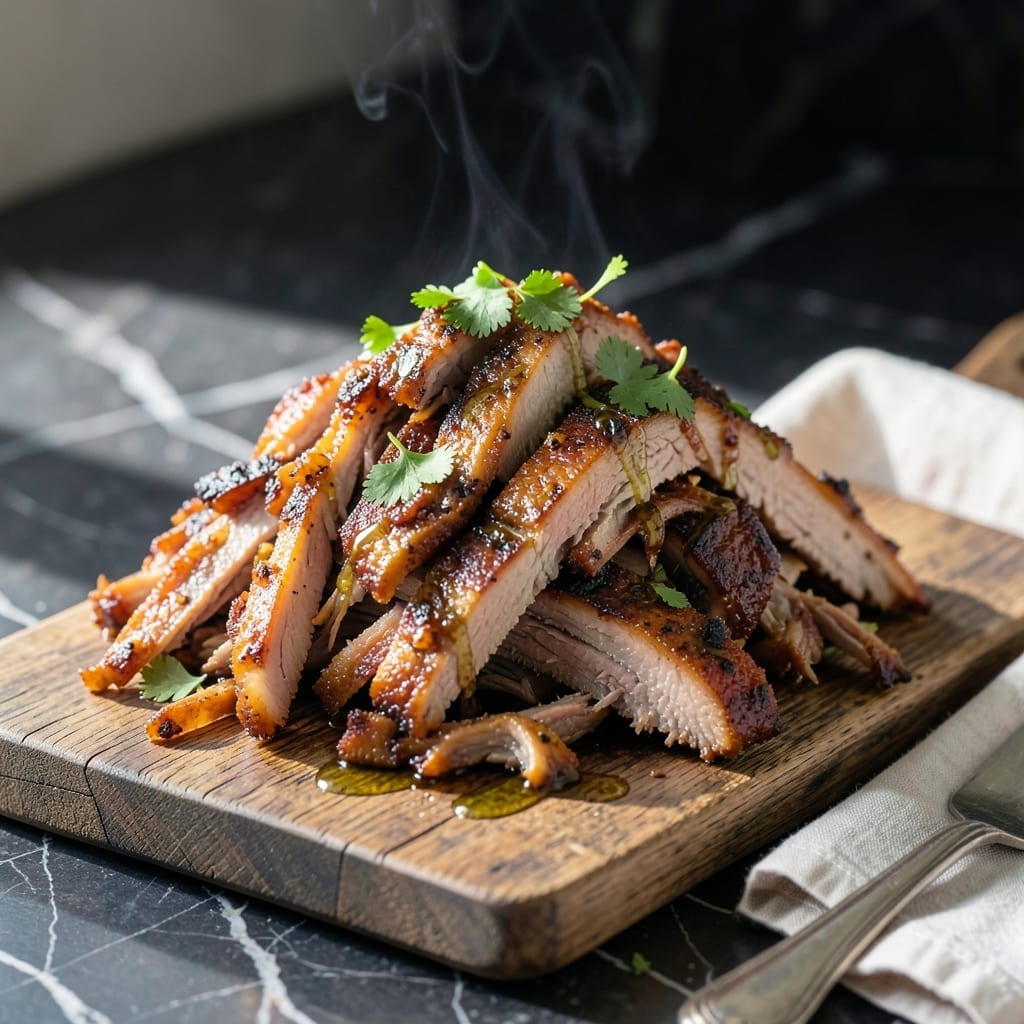
This oven method transforms tough pork shoulder into the most tender pulled pork you’ll ever taste. No smoker required—just time, low heat, and a simple dry rub.
I’ve perfected this technique through years of testing, and the secret is patience. A long, slow roast at 275°F breaks down the collagen, leaving meat that shreds effortlessly with a fork.
The result is juicy, flavorful pulled pork with a crispy bark on the outside. It’s ideal for sandwiches, tacos, or serving straight from the pan with your favorite sauce.
One bite, and you’ll never settle for rushed versions again. Here’s how to do it right.
Ingredients for Pork Shoulder Pulled Pork Recipe Oven
Pantry staples and one big piece of meat. Simple ingredients, extraordinary results.
| Ingredient | Amount | Notes |
|---|---|---|
| Pork Shoulder 🐖 | 4 lb | Bone-in, skin-on preferred |
| Brown Sugar 🧈 | ¼ cup | Light or dark variety |
| Paprika 🌶️ | 2 tbsp | Sweet or smoked variety |
| Garlic Powder 🧄 | 1 tbsp | Not garlic salt |
| Onion Powder 🧅 | 1 tbsp | Fresh ground preferred |
| Salt 🧂 | 2 tsp | Kosher or sea salt |
| Black Pepper 🌶️ | 1 tsp | Freshly ground preferred |
| Cumin 🌿 | 1 tsp | Ground for even distribution |
| Chili Powder 🌶️ | 1 tsp | Mild or hot variety |
| Apple Cider Vinegar 🍏 | ¼ cup | For tangy moisture |
| Chicken Broth 🥘 | 1 cup | Low-sodium preferred |
| Olive Oil 🫒 | 2 tbsp | For rubbing and browning |
The pork shoulder is key—look for a bone-in, skin-on cut (sometimes called Boston butt) at Costco or your local butcher. The fat cap keeps it moist during the long roast. I grab mine from Whole Foods when I want organic (they usually have good marbling). Avoid pre-cut pieces; a whole roast gives you the best bark and even cooking.
No brown sugar? Coconut sugar or honey work in a pinch (though honey isn’t vegan). Swap smoked paprika for regular if that’s what’s in the cupboard. Out of apple cider vinegar? White vinegar at half the amount does the trick. The broth can be swapped for water in a bind, but the chicken broth adds depth. Skip the cumin if you’re not a fan—won’t hurt the texture.
This keeps beautifully in the fridge for 4-5 days or freezes for 3 months. Store the meat in its juices to prevent drying out. Reheat gently on the stove with a splash of broth (or frozen, thaw overnight first).
Why You’ll Love This Recipe
- Set and Forget: I toss the pork shoulder with brown sugar and spices in the morning, then let the oven do all the work while I run errands.
- Smoky Sweetness: The paprika and brown sugar caramelize into this sticky, finger-licking glaze that clings to every shred.
- Feeds the Week: I make a big batch on Sunday and turn it into tacos, sandwiches, and even fried rice—no takeout needed.
- Budget Hero: Pork shoulder is cheap, and this recipe stretches it into four meals for my family of four.
Step-by-Step Instructions for Pork Shoulder Pulled Pork Oven
Here’s how I make fall-apart tender pulled pork with an oven and a little patience.
Step 1: Season the Pork Shoulder Generously
Pat the 4 lb Pork Shoulder dry with paper towels to ensure the rub adheres properly. This step prevents a wet surface from steaming the meat instead of browning it.
In a small bowl, mix 0.25 cup Brown Sugar, 2 tbsp Paprika, 1 tbsp Garlic Powder, 1 tbsp Onion Powder, 2 tsp Salt, 1 tsp Black Pepper, 1 tsp Cumin, and 1 tsp Chili Powder. Rub this mixture all over the pork, pressing firmly so it sticks. The spices should form a thick, even coat on all sides.
Step 2: Sear the Pork for Deep Flavor
Heat 2 tbsp Olive Oil in a large Dutch oven or heavy pot over medium-high heat. When the oil shimmers, add the pork shoulder and sear for 3-4 minutes per side until deep golden brown.
Don’t rush this step—searing creates a flavorful crust (the Maillard reaction) and locks in juices. You’ll know it’s ready to flip when it releases easily from the pot. If it sticks, let it cook a minute longer before attempting to turn it.
Step 3: Slow-Roast with Moisture for Tenderness
Preheat your oven to 300°F. After searing, pour 0.25 cup Apple Cider Vinegar and 1 cup Chicken Broth into the pot, ensuring the liquid comes about halfway up the pork but doesn’t submerge it. The vinegar adds tang while the broth keeps the meat moist during the long cook.
Cover the pot tightly with a lid and transfer it to the oven. Roast for 4-5 hours, turning the pork halfway through, until the internal temperature reaches 195-200°F and the meat shreds easily with a fork.
Step 4: Shred and Serve
Remove the pork from the oven and let it rest in the pot, covered, for 15-20 minutes. This resting period allows the juices to redistribute, ensuring every bite is succulent.
Transfer the pork to a cutting board and shred it using two forks, pulling the meat apart in the direction of the grain. Discard any large fat chunks or bone. Mix the shredded pork back into the cooking liquid to soak up all the flavorful juices before serving.
Pro Tips For Making Pork Shoulder Pulled Pork Recipe Oven
- Start Low, Finish Slow: I learned this the hard way—325°F for the first hour, then drop to 275°F. The pork breaks down perfectly without drying out.
- Score the Fat: Cut 1/4-inch slits into the fat cap before seasoning. The rub penetrates deeper and the fat renders better.
- Skip the Water Pan: Sounds weird, but it works: dry heat in the oven gives better bark. Adding water just steams the meat and washes off your rub.
- Double the Rub: After burning three batches, I finally figured out—use twice as much brown sugar and spices as you think. The long cook time mellows the flavor.
Storing and Reheating Leftovers
Refrigerator Storage
Let your pulled pork cool for no more than 2 hours before transferring to airtight containers. I use glass Pyrex with snap-on lids for this. Store at 40°F or below for up to 4-5 days. The flavors deepen overnight as the spices meld. ❄️
Freezer Storage
This freezes beautifully for up to 3 months without quality loss. I recommend flat freezer bags because they stack efficiently and thaw faster. Leave 1 inch of headspace for expansion and squeeze out excess air to prevent freezer burn.
Oven Reheating
Preheat oven to 300°F, transfer pork and juices to an oven-safe dish, cover with foil, and heat for 20-25 minutes. Add a splash of chicken broth if it looks dry. This method maintains the best texture.
Stovetop Reheating
Place pulled pork and juices in a heavy-bottomed pot, add ¼ cup Chicken Broth, and heat over medium-low heat for 10-15 minutes. Stir occasionally. Taste and adjust seasonings—it often needs a pinch of salt.
Microwave Reheating
For quick meals, microwave individual portions covered with a damp paper towel. Heat on 70% power for 2-3 minutes, stir, then continue in 1-minute intervals until reaching 165°F. 🔥
Portioning Tip
I portion into 1 lb freezer bags before freezing—perfect for quick weeknight meals. Thaw overnight in the fridge before reheating. This saves time and reduces waste.
Nutrition Facts
Frequently Asked Questions
What’s the ideal internal temperature for pulled pork?
Cook until it reaches 195-200°F internally. At this point, the collagen breaks down, making the meat tender enough to shred easily with a fork.
Can I skip the searing step?
You can, but searing adds a deep, flavorful crust. Without it, your pork may lack that rich, caramelized bark. It only takes 3-4 minutes per side.
How do I keep it from drying out?
Use enough liquid—1 cup Chicken Broth and 0.25 cup Apple Cider Vinegar—and keep it covered while roasting. The steam helps maintain moisture during the long cook.
Can I use a different cut of pork?
Pork shoulder (Boston butt) is best for its fat content. Pork loin is leaner and can dry out. Stick with shoulder for the juiciest, most tender results.

- Potato Patty Recipe No Egg: Crispy Edges Without the Binder - October 30, 2026
- Paula Deen’s Potato Chip Cookies Recipe: Salty-Sweet Crunch in Every Bite - October 30, 2026
- Potato Gnocchi Recipe Ideas: Pillowy Soft Dumplings With Rustic Charm - October 30, 2026